When Live Lines Converge: Comparing Dynamic Pricing in Football and Equine Competitions
Written by Katja Zimmermann · Jun 25, 2026
When Live Lines Converge: Comparing Dynamic Pricing in Football and Equine Competitions
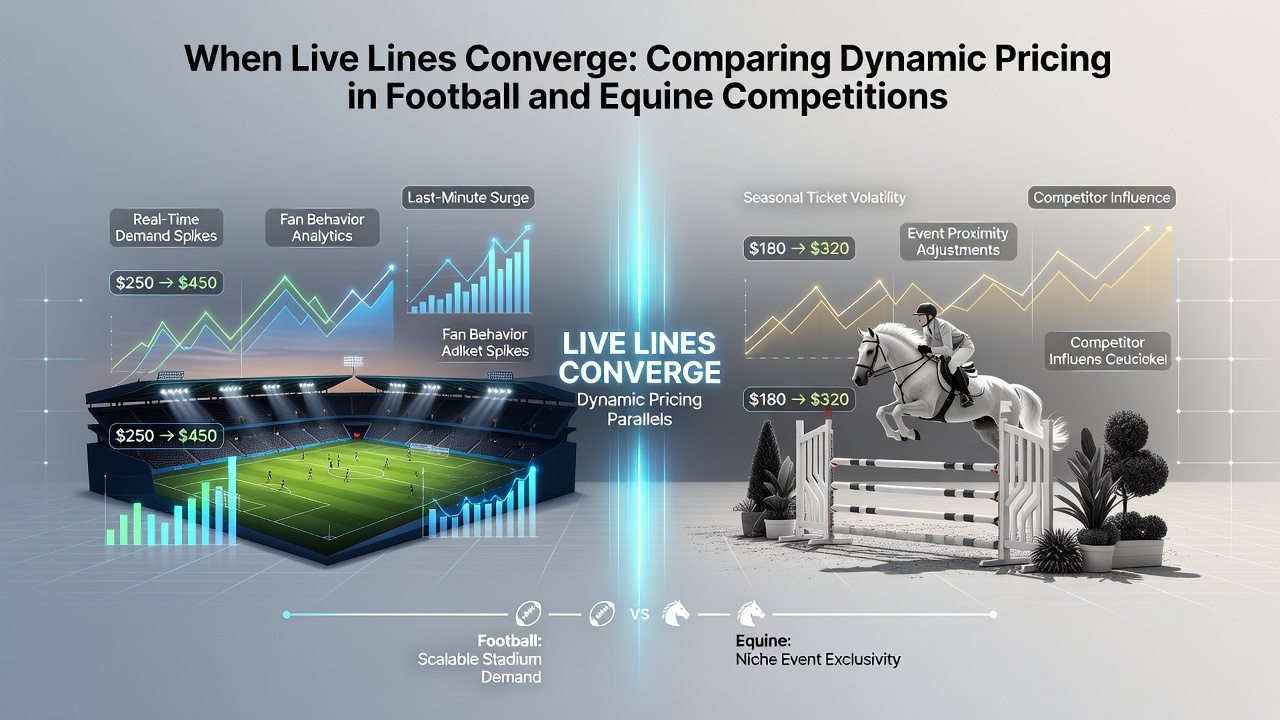
Dynamic pricing in live betting adjusts odds continuously as events unfold, and observers note distinct patterns when comparing football matches to equine competitions. Markets respond to goals, injuries, or pace changes in soccer while reacting to gate breaks, stride alterations, and final stretch surges in horse racing. These adjustments create converging lines where initial probabilities shift rapidly under real-time data inputs.
How Live Odds Mechanisms Operate Across Sports
Bookmakers employ algorithms that factor in player statistics, weather conditions, and historical performance metrics to recalibrate prices during matches or races. In football, a single substitution can trigger immediate line movements across multiple markets including total goals and player props. Equine events see similar recalibrations when trainers report equipment changes or when track surfaces evolve mid-card. Data indicates these systems process thousands of inputs per minute during peak periods.
Research from the American Gaming Association reveals that live betting volumes in regulated markets reached record levels during major tournaments in 2025, with football contributing the largest share while horse racing maintained steady growth in North American tracks. Platforms integrate sensor data from stadiums and racecourses to refine pricing accuracy, reducing latency between event occurrences and market updates.
Key Divergences in Pricing Velocity and Market Depth
Football matches typically span ninety minutes plus stoppage time, allowing sustained periods of incremental adjustments that build toward halftime or full-time conclusions. Equine competitions compress action into shorter windows of two to three minutes per race, producing sharper price swings concentrated around the start and finish. Observers note that football lines often stabilize during lulls in play whereas equine odds fluctuate more dramatically in the final furlongs due to visual cues available to bettors and operators alike.
Studies conducted by researchers at the University of Nevada, Las Vegas, highlight how liquidity pools differ between the two sports. Football attracts deeper markets with hundreds of concurrent wagers on corners, cards, and exact scores. Horse racing concentrates volume on win, place, and show positions plus exotic combinations that require rapid recalculation when favorites falter. These structural differences influence how operators manage risk during live sessions.
Convergence Points in Real-Time Data Integration
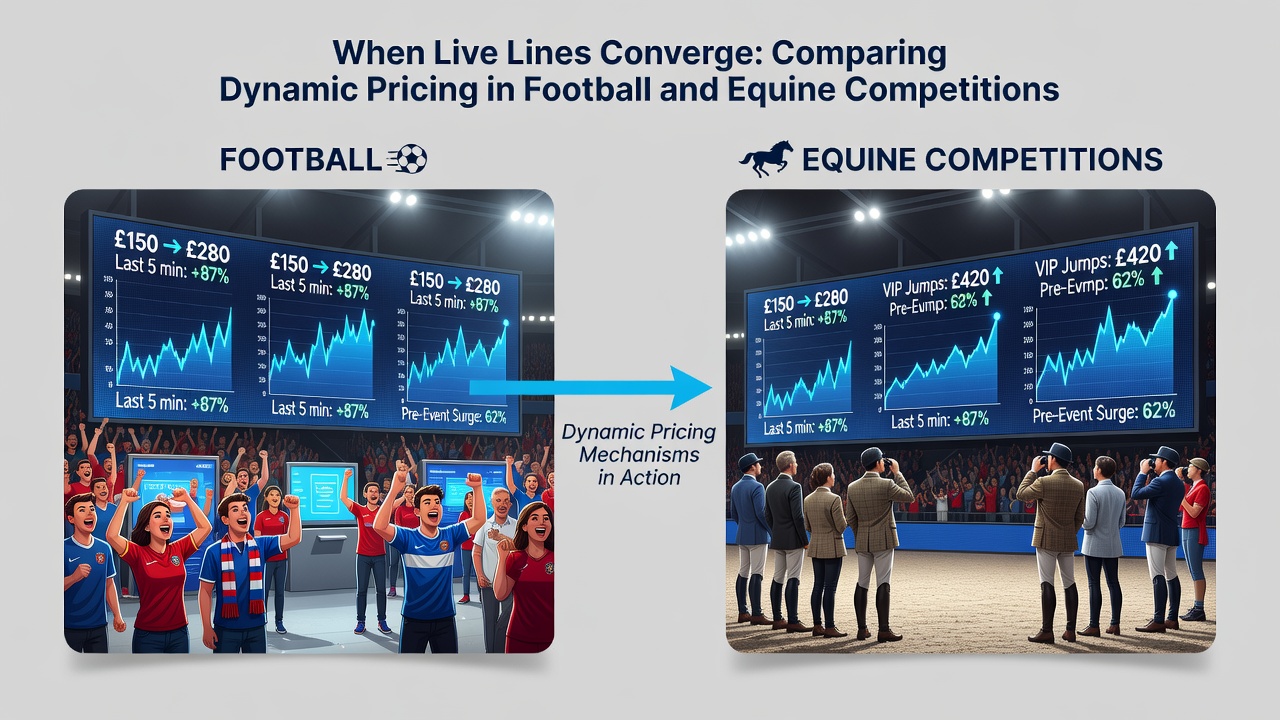
Both sports now draw from overlapping technologies including GPS tracking, video analytics, and artificial intelligence models that predict remaining outcomes. A late goal in football mirrors a stretch run in racing when underdogs close gaps and force line convergence toward middle-ground probabilities. Reports compiled by the Alcohol and Gaming Commission of Ontario show increased cross-sport hedging strategies among professional bettors who monitor both football and equine feeds simultaneously.
By June 2026, several North American jurisdictions plan expanded testing of unified data feeds that merge football match events with thoroughbred performance metrics. This integration allows operators to offer bundled live products where price movements in one sport influence promotional thresholds in the other. Those who have analyzed early pilot programs note improved margin stability when pricing engines account for correlated volatility across event types.
Regulatory and Operational Considerations
Regulators in Pennsylvania and other states require operators to maintain transparent audit trails for all live price changes. These rules apply equally to football and equine wagering, ensuring that sudden line shifts reflect genuine information rather than discretionary intervention. Industry groups such as the Racing Operations Council have documented best practices for equine markets that parallel guidelines already established for association football betting.
Platform providers continue refining latency reduction techniques, with some achieving sub-second updates across both verticals. The result appears in tighter spreads during high-stakes periods, whether that involves a penalty shootout or a photo finish. Figures released by state gaming authorities indicate that customer retention improves when dynamic pricing feels responsive yet fair across different competition formats.
Conclusion
Live line convergence between football and equine competitions stems from shared technological foundations and distinct temporal structures that shape how prices evolve. Continued data integration across regions points toward more synchronized pricing environments by mid-2026, while existing regulatory frameworks maintain consistent standards for transparency in both markets.