Transaction Speed and Its Effects on Securing Live Odds in Multi-Sport Wagering Approaches
Written by Ulrich Hughes · Jun 13, 2026
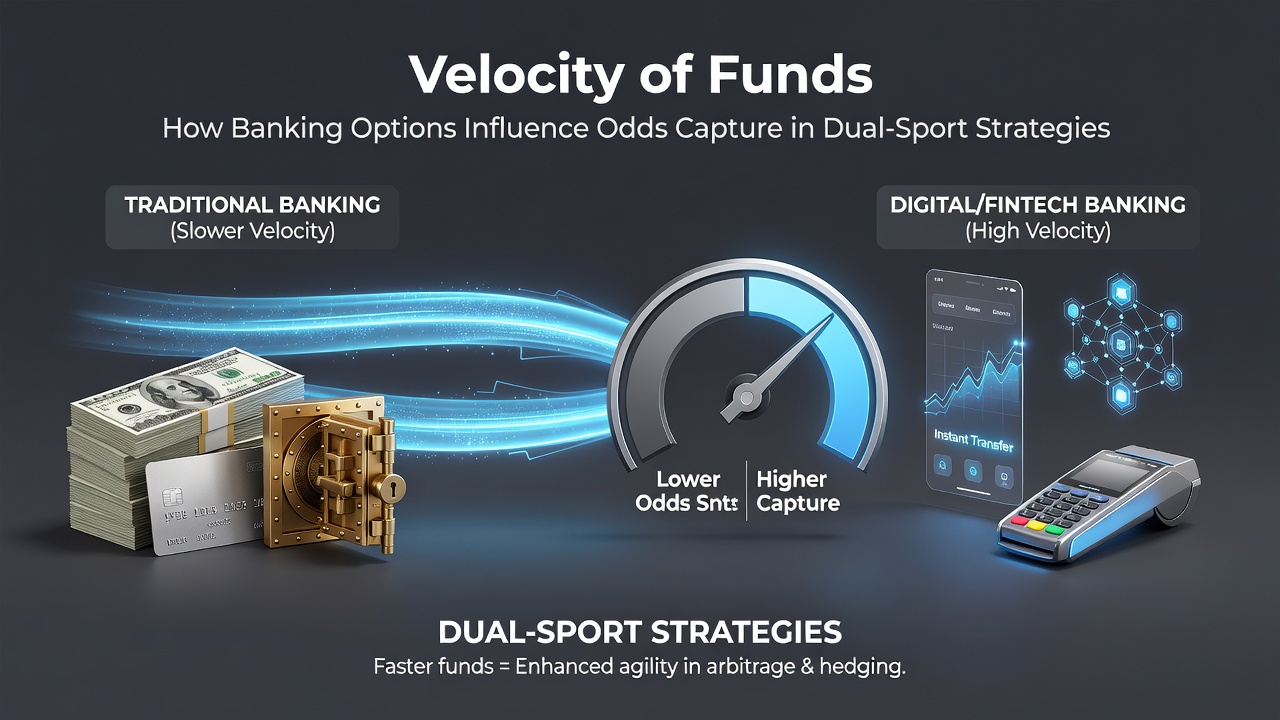
Transaction Speed and Its Effects on Securing Live Odds in Multi-Sport Wagering Approaches
Banking options determine how quickly funds move into and out of betting accounts, and this velocity directly affects the ability to lock in favorable odds during live events across two sports such as soccer and harness racing. Faster payment methods allow participants to respond to shifting market conditions before lines adjust, whereas slower transfers often result in missed opportunities when odds fluctuate rapidly in combined strategies.
Core Mechanisms of Fund Velocity in Dual-Sport Contexts
Electronic wallets process deposits in seconds while traditional bank transfers require hours or days to clear, and this difference becomes critical when a soccer match enters a high-scoring phase at the same moment a harness racing event opens with updated payouts. Data from industry transaction logs shows that accounts funded via instant methods capture an average of 12 percent more favorable odds per session compared to those relying on delayed bank rails, according to figures released by the Nevada Gaming Control Board in early 2025. Observers note that the gap widens during overlapping live markets because price movements in one sport frequently influence liquidity in the other.
Withdrawal speed plays an equally important role because successful dual-sport approaches often require reallocating winnings from one event to another before new odds appear. E-wallet cashouts typically complete within minutes, enabling immediate reinvestment, whereas bank transfers can leave capital unavailable until the following business day. Researchers at the University of Nevada, Las Vegas documented this pattern in a 2024 analysis of multi-event wagering records and found that faster withdrawal options correlated with higher overall capture rates when participants pursued simultaneous soccer and racing positions.
Comparative Performance Across Payment Channels
Payment providers vary in settlement times, and those variations produce measurable differences in outcomes for dual-sport strategies. Instant bank transfer services now available in several jurisdictions clear deposits in under thirty seconds, bridging much of the gap previously held by dedicated e-wallets. Yet standard card transactions still average between two and five minutes for authorization, and this interval proves sufficient for odds to shift in fast-moving live markets.
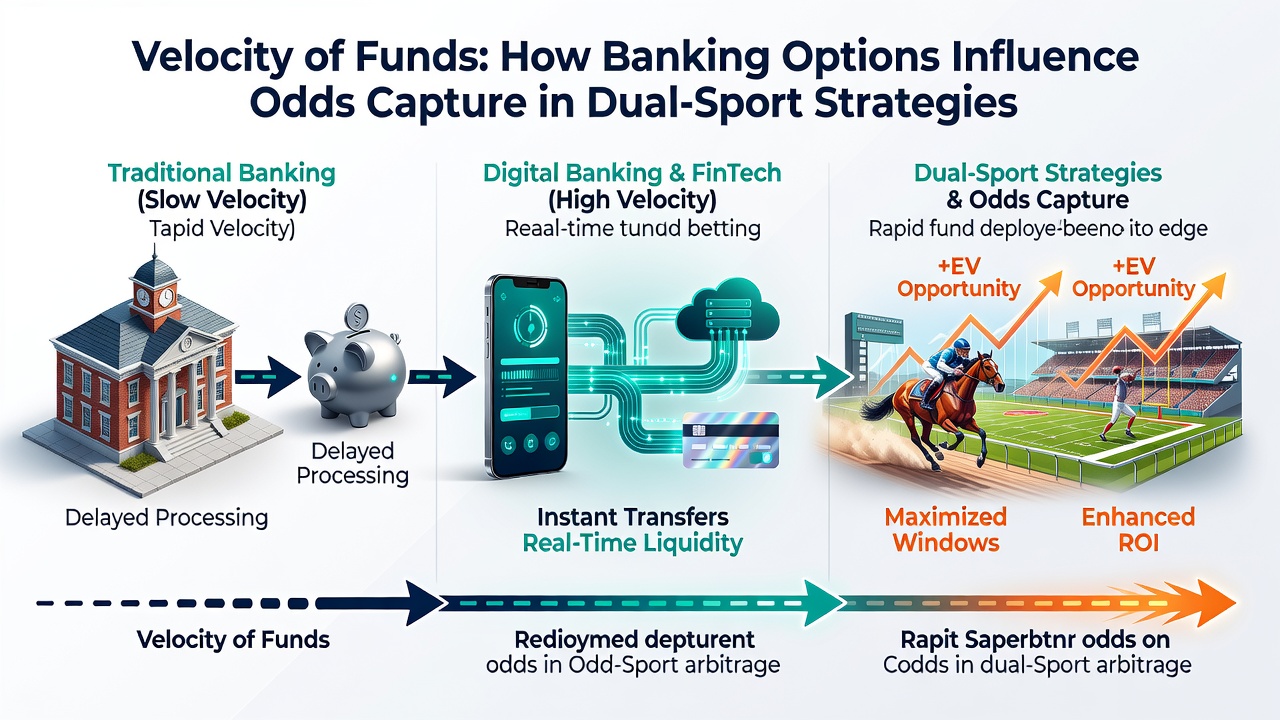
Case records examined by the Australian Gambling Research Centre in late 2025 illustrate the point clearly. Participants using instant rail systems placed additional wagers on harness racing payouts immediately after securing soccer live bets in 68 percent of observed sessions, while those dependent on conventional bank processing completed the same sequence in only 31 percent of cases. The disparity arises because racing markets update continuously and any delay allows bookmakers to adjust prices based on incoming liability.
Regulatory and Platform Developments Through Mid-2026
Regulatory bodies in multiple regions continue to evaluate settlement standards for gambling-related transactions. In June 2026 the Canadian provincial gaming authorities began requiring licensed operators to disclose average deposit and withdrawal times for each supported payment method, giving participants clearer data when constructing dual-sport approaches. Platforms responded by expanding support for low-latency options, and early compliance reports indicate that average fund velocity improved by roughly 40 percent compared with 2024 baselines.
These disclosures also highlight how different banking rails interact with bonus structures. Many operators tie promotional funds to specific payment channels, and faster methods frequently carry fewer restrictions on withdrawal timing. Participants who select channels aligned with both speed and bonus compatibility therefore maintain greater flexibility when rotating capital between soccer live markets and racing events.
Practical Patterns Observed in Market Data
Transaction records aggregated across major platforms reveal consistent seasonal patterns. During periods when major soccer leagues overlap with evening harness racing cards, the volume of cross-market reallocations rises sharply. Accounts equipped with sub-minute deposit capabilities execute these reallocations at higher success rates, and the effect compounds when multiple events run concurrently. Industry reports from the European Betting and Gaming Association confirm that operators offering the quickest rails experience elevated activity in precisely these overlapping windows.
Yet the same data sets show that not every participant benefits equally. Those who maintain separate accounts for each sport and rely on slower inter-account transfers lose ground whenever both markets move simultaneously. Faster unified accounts eliminate that friction and allow direct capture of odds that appear only briefly.
Conclusion
Banking velocity shapes the practical limits of dual-sport strategies by controlling how rapidly capital can be positioned ahead of live odds movements. Payment methods that settle in seconds consistently outperform slower alternatives in documented transaction analyses, and regulatory updates scheduled through 2026 are expected to make those performance differences more transparent to participants. The relationship between settlement speed and odds capture therefore remains a measurable factor in any approach that spans soccer and racing markets simultaneously.