Tracing Shifts in Incentive Programs Linked to Deposit Methods Across Football and Equine Sports
Written by Theo Hoffmann · Jul 18, 2026
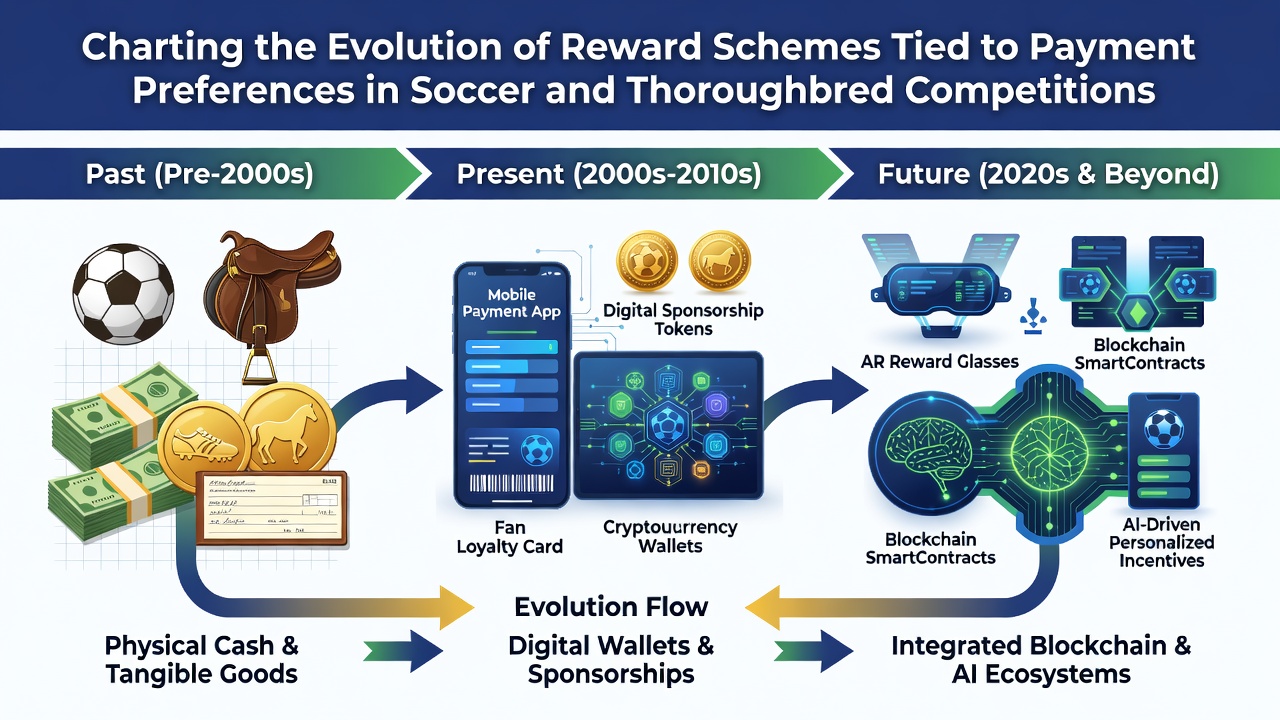
Tracing Shifts in Incentive Programs Linked to Deposit Methods Across Football and Equine Sports
Payment preferences have shaped reward structures in soccer and thoroughbred racing for decades, with operators adjusting loyalty tiers and bonus structures as new deposit options emerged. Early programs relied on cash and bank transfers, while later developments incorporated card payments and electronic wallets that altered how points accumulated and redeemed. Observers note that these changes coincided with broader adoption of digital finance across betting platforms in multiple regions. Researchers documented initial reward models in the 1990s that offered flat cashback percentages tied exclusively to wire transfers or in-person deposits at track facilities. Soccer betting followed similar patterns through fixed-odds outlets where punters received printed vouchers after placing wagers with physical currency. Data from industry reports indicate these systems emphasized volume over speed, with rewards calculated monthly rather than instantly. Electronic payment adoption accelerated around 2005 when platforms introduced debit card processing for both soccer leagues and major racing events. This shift prompted operators to create tiered loyalty programs that granted extra points for card users who maintained consistent activity levels. Studies from academic institutions found correlations between faster transaction times and higher retention rates among participants who preferred these methods over slower alternatives. By 2012 mobile wallets entered mainstream use, prompting further refinements in reward calculations. Programs began offering instant credit for deposits made through services popular in European and Australian markets, while thoroughbred events integrated similar features at betting terminals. Evidence suggests these adjustments reflected operational efficiencies rather than arbitrary changes, as processing costs declined and verification processes streamlined.Key Milestones in Payment Integration
Multiple phases mark the progression of these schemes. Initial experiments with prepaid cards around 2008 allowed operators to segment rewards based on funding source, granting soccer bettors additional multipliers when they loaded accounts via specific vendors. Thoroughbred racing venues adopted parallel systems that tracked wagers placed through electronic terminals at tracks in North America and Asia.
Regulatory updates in various jurisdictions influenced subsequent developments. In July 2026 several oversight bodies reviewed digital payment standards, leading some platforms to adjust reward eligibility criteria for users selecting newer wallet providers. These reviews examined transaction security and consumer protection without mandating uniform changes across all operators.
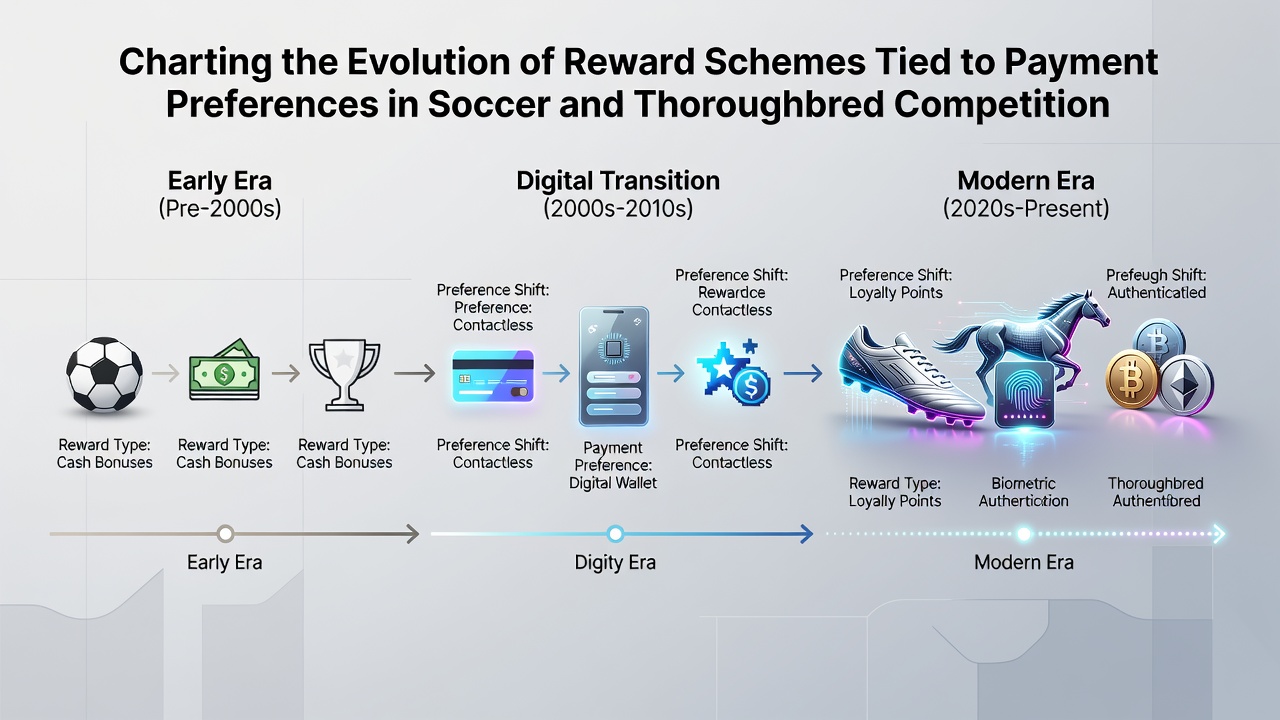
Comparative Developments in Soccer and Racing
Soccer markets demonstrated quicker integration of instant payout features linked to certain wallets, whereas thoroughbred competitions maintained emphasis on accumulated seasonal rewards at physical venues. Figures from trade associations reveal that soccer platforms processed higher volumes of micro-transactions, which encouraged reward structures rewarding frequency over individual stake size. Racing programs, by contrast, continued prioritizing larger deposits made through established banking channels at major events.
One study conducted by a Canadian research center examined how payment speed affected reward uptake across both sports. Participants using electronic methods accumulated points at accelerated rates when operators introduced time-sensitive bonuses during peak seasons. These findings aligned with observations from Australian industry groups that tracked similar patterns in thoroughbred betting terminals.
Current Landscape and Data Patterns
Contemporary schemes blend legacy and emerging options. Many platforms now differentiate reward multipliers according to whether deposits arrive via traditional cards, digital wallets, or newer instant transfer services. Data compiled by European gaming associations shows soccer leagues generating more cross-border transactions, which led to specialized loyalty tiers for international users. Thoroughbred events display steadier domestic patterns, with rewards often tied to venue-specific accounts rather than fully digital profiles.
Analysts at research institutions continue monitoring how these preferences evolve. Reports indicate gradual convergence between the two sports as operators standardize certain digital features while preserving sport-specific reward mechanics. External links to broader financial technology trends provide context, including analysis from the Australian Competition and Consumer Commission on payment system efficiencies and findings published by the European Gaming and Betting Association regarding regional adoption rates.
Conclusion
The evolution of reward schemes reflects ongoing adaptation to available payment technologies across soccer and thoroughbred competitions. Patterns observed through 2026 demonstrate consistent responses to transaction speed and verification requirements rather than isolated innovations. Continued documentation from regulatory bodies and academic sources will track how these systems adjust to further payment method developments in coming years.