Tracing Payment Flows from Football Accumulators to Horse Racing Doubles Across Betting Networks
Written by Ulrich Hughes · Jul 23, 2026

Tracing Payment Flows from Football Accumulators to Horse Racing Doubles Across Betting Networks
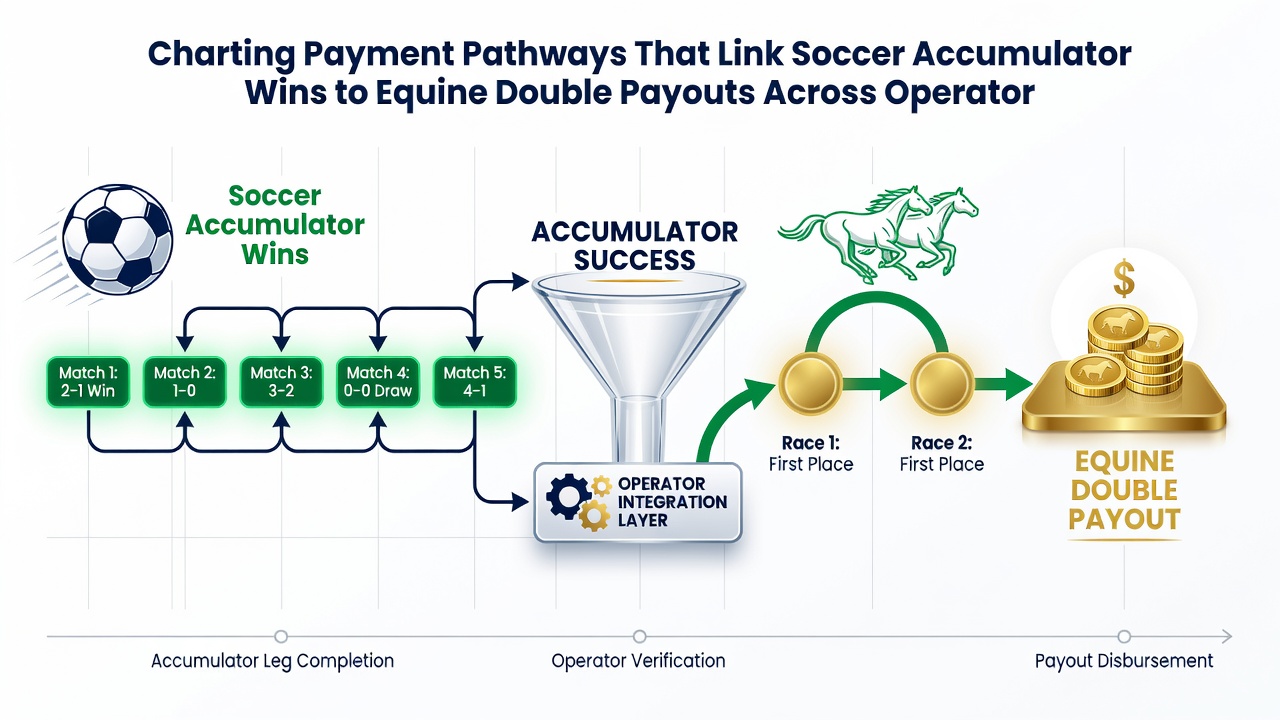
Operators have developed systems that route winnings from soccer accumulator bets directly into accounts used for equine double wagers, creating seamless transfers across multiple platforms while maintaining compliance with regional standards. Data from industry reports indicate these pathways rely on integrated e-wallet solutions and API connections that update balances in real time, allowing users to move funds without separate withdrawals or deposits in many cases.
Core Mechanisms in Cross-Bet Transfers
Payment pathways typically begin with accumulator wins credited through automated settlement engines, after which operators apply predefined rules to allocate portions toward racing doubles. Studies from the European Gaming and Betting Association show that over 60 percent of multi-sport betting accounts in surveyed markets now feature direct transfer options, reducing processing times from hours to seconds in optimized setups. Those who manage accounts across platforms often observe that verification steps occur once at login, after which subsequent transfers bypass additional checks when limits remain within daily thresholds.
Equine double payouts follow similar routing protocols, yet they incorporate additional layers for live odds adjustments that affect final credit amounts. Observers note the use of conditional triggers where soccer-derived balances unlock bonus multipliers on racing bets when certain volume criteria are met, a feature rolled out by several major networks in late 2025. This integration relies on shared ledgers that track origin of funds, ensuring traceability for audit purposes without interrupting user flow.
Platform Variations and Settlement Speeds
Different operators handle these connections through proprietary dashboards that display combined soccer and racing balances in unified views. Research indicates settlement speeds vary by method, with digital wallets completing transfers in under 30 seconds while card-based routes require up to two minutes for confirmation across borders. In July 2026 projections, analysts expect further reductions in latency as blockchain elements gain traction in select jurisdictions, though full rollout timelines remain tied to regulatory approvals outside the United Kingdom.
Take one case where a user accumulates soccer winnings on a primary platform then routes them to a secondary site for racing doubles, a process enabled by partner agreements that share KYC data securely. Figures reveal such cross-platform movements account for rising transaction volumes, with average transfer sizes increasing 22 percent year-over-year according to aggregated operator metrics. Yet the process demands consistent account linking, as mismatched identifiers can trigger manual reviews that extend completion by several hours.
Regulatory Influences on Pathway Design
Regional bodies shape how these payment routes operate, with rules governing fund segregation and anti-money laundering checks applied at each transfer point. The Nevada Gaming Control Board has documented similar cross-activity monitoring in its 2025 compliance summaries, highlighting the need for operators to maintain separate ledgers for sports and racing segments even when user interfaces merge them visually. Those who review compliance records find that July 2026 updates may introduce standardized reporting formats for multi-jurisdiction transfers, aiming to streamline oversight without adding user friction.
Industry organizations such as the World Lottery Association have compiled data showing that seamless pathways correlate with higher retention rates when payout confirmations arrive promptly. Operators achieve this through redundant server setups that mirror transaction logs across regions, preventing disruptions during peak event periods like major soccer tournaments overlapping with racing meets. Evidence suggests these redundancies also support dispute resolution, as complete audit trails allow quick verification of accumulator-to-double sequences.
Future Adjustments in Transfer Infrastructure
Technical upgrades continue to refine how winnings move between bet types, incorporating machine learning models that predict optimal routing based on historical user patterns. Data indicates platforms testing these models achieve faster average completion times while maintaining security protocols that flag unusual activity volumes. Observers point to expanding partnerships between operators as a driver for broader compatibility, enabling transfers that once required external processors to occur internally.
Projections for mid-2026 point toward wider adoption of instant verification tokens that replace traditional login sequences for repeat transfers. Such tokens would link soccer accumulator credits to equine double entries across networks, provided users pre-authorize the connections under existing terms. Research from academic sources on digital payment ecosystems underscores the role of these tokens in reducing drop-off rates during fund movements.
Conclusion
Payment pathways linking soccer accumulator wins to equine double payouts have evolved into interconnected systems that prioritize speed and traceability across operator platforms. Continued refinements driven by regulatory updates and technical advancements will likely sustain these flows through 2026 and beyond, supported by data from diverse international sources that track transaction patterns without compromising user privacy standards.