Tiered Rewards Systems Drive Sustained Participation Across Multi-Game Betting Environments
Written by Katja Lange · Jun 30, 2026
Tiered Rewards Systems Drive Sustained Participation Across Multi-Game Betting Environments
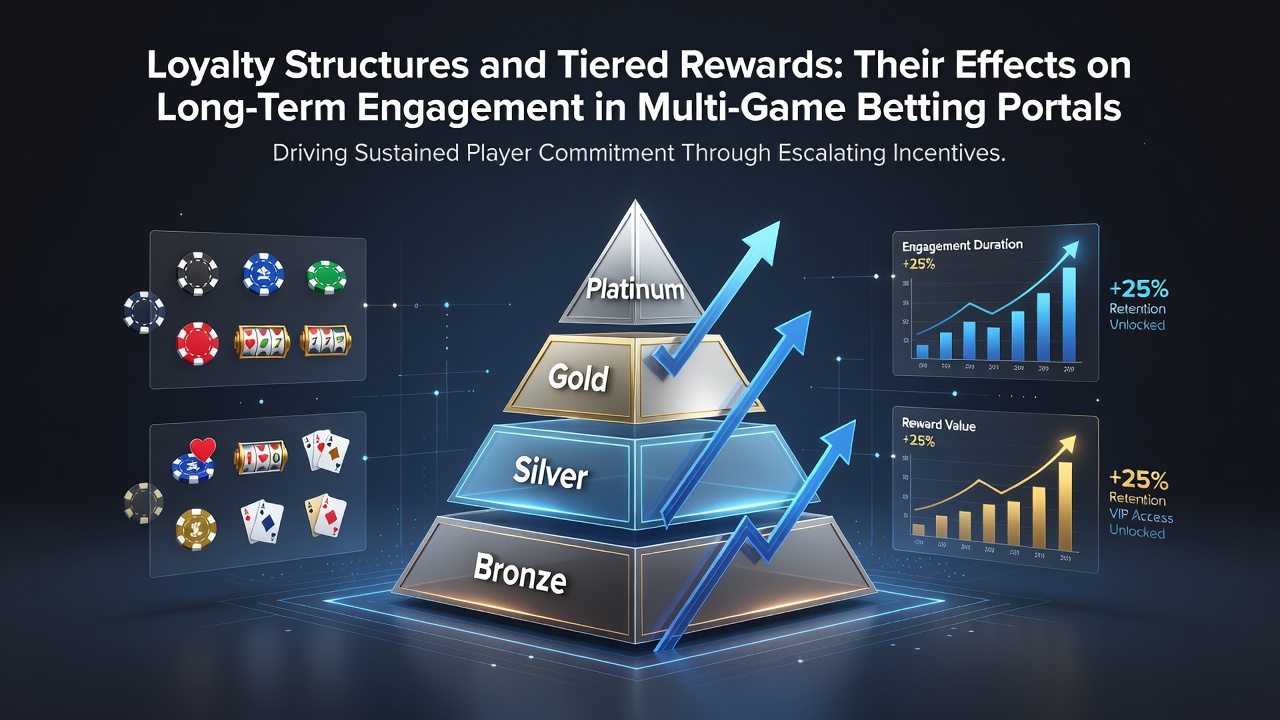
Multi-game betting portals integrate sports wagering, casino titles, and live dealer options under unified accounts where loyalty structures assign points based on activity volume and frequency. These systems progress users through tiers that unlock escalating benefits including boosted cashback percentages, priority support access, and exclusive event invitations. Data compiled through 2025 shows platforms deploying such frameworks experience measurable shifts in user return rates over six-month and twelve-month windows.
Mechanics Behind Tiered Loyalty Frameworks
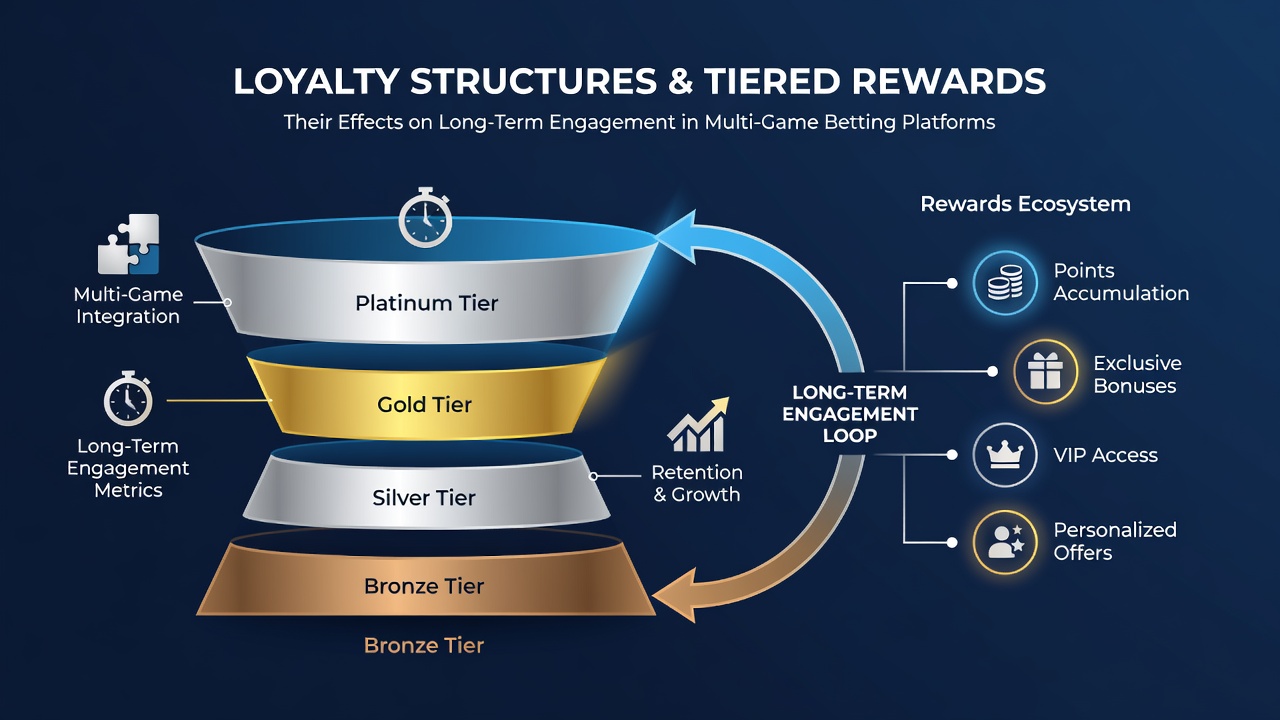
Entry-level tiers typically require modest deposit or wager thresholds while mid and upper tiers demand cumulative activity tracked across multiple game categories. Points accrue from slots play at one rate, sports bets at another, and table games at variable multipliers depending on the operator's model. Advancement resets occur on monthly or quarterly cycles in many systems, which encourages consistent engagement rather than sporadic spikes. Observers note that platforms adjust these thresholds periodically to align with seasonal patterns in betting volumes.
Benefits scale with tier status so higher levels receive reduced wagering requirements on promotional credits along with personalized game recommendations derived from historical play data. Some operators layer in non-monetary perks such as tournament entries or merchandise redemptions that further differentiate the experience. Research from academic institutions indicates these layered incentives correlate with extended session durations when users perceive tangible progress toward the next tier.
Observed Effects on Retention Metrics
Industry reports track retention through metrics such as monthly active users and repeat deposit frequency. Portals that implemented tiered rewards between 2023 and 2025 recorded average retention increases of 18 to 27 percent compared with baseline periods before program rollout. Those who've analyzed longitudinal datasets point out that users reaching silver or gold tiers within the first three months demonstrate lower churn rates through the subsequent nine months. The pattern holds across both desktop and mobile interfaces though mobile cohorts show slightly faster tier progression due to higher session frequency.
Geographic variations appear in how these structures perform. European operators report stronger uptake of cross-game point multipliers while North American platforms emphasize sports-specific bonuses within the same tier ladder. Australian regulatory filings from early 2026 reveal similar structures applied to hybrid racing and slots portals where users who combine verticals maintain higher lifetime values. What's interesting is that mixed-activity users often outperform single-category players in long-term metrics.
Data Patterns From Multiple Jurisdictions
Figures released by the Nevada Gaming Control Board through mid-2026 illustrate that integrated loyalty systems contribute to steadier revenue streams even during regulatory adjustment periods. Separate analyses conducted by the University of Nevada Las Vegas gaming research center found correlations between tier visibility in app interfaces and increased cross-product exploration. Users exposed to clear progress bars and upcoming reward previews logged more diverse game types within the same account.
European data aggregated by the European Gaming and Betting Association shows parallel trends where loyalty tiers tied to responsible play reminders produce higher compliance scores alongside retention gains. Platforms that embed tier status alongside session time alerts report fewer self-exclusion requests from mid-tier users. The reality is that transparency around point calculations and tier qualification criteria appears to strengthen trust signals that support continued participation.
Integration With Broader Platform Features
Successful implementations combine loyalty tiers with live odds updates, instant cashout options, and personalized notifications that reference a user's current tier benefits. These integrations create feedback loops where engagement in one product feeds progression applicable across the entire portal. Case examples from Canadian operators demonstrate that users who receive tier-specific racing payouts alongside slots bonuses maintain activity across both verticals for longer stretches. Similar patterns emerge when soccer live betting interfaces surface loyalty multipliers in real time.
Technical infrastructure plays a supporting role through real-time point tracking APIs that update tier status without requiring page reloads. This seamless visibility reduces friction that previously caused users to abandon progression tracking. Data indicates that portals updating tier benefits dynamically based on recent activity sustain higher engagement velocity than those relying on static monthly summaries.
Conclusion
Loyalty structures with tiered rewards continue to shape participation patterns in multi-game betting portals through scalable benefit systems that reward sustained and diversified activity. Metrics compiled across multiple regulatory environments through June 2026 confirm measurable impacts on retention when these frameworks integrate smoothly with core platform functions. Ongoing refinements to point structures and benefit visibility suggest operators will keep testing variations to optimize long-term user value across regions.