Tiered Loyalty Programs and Their Effect on Effective Returns for Accumulator Bets in Football and Equine Racing
Written by Ulrich Hughes · Jul 11, 2026
Tiered Loyalty Programs and Their Effect on Effective Returns for Accumulator Bets in Football and Equine Racing
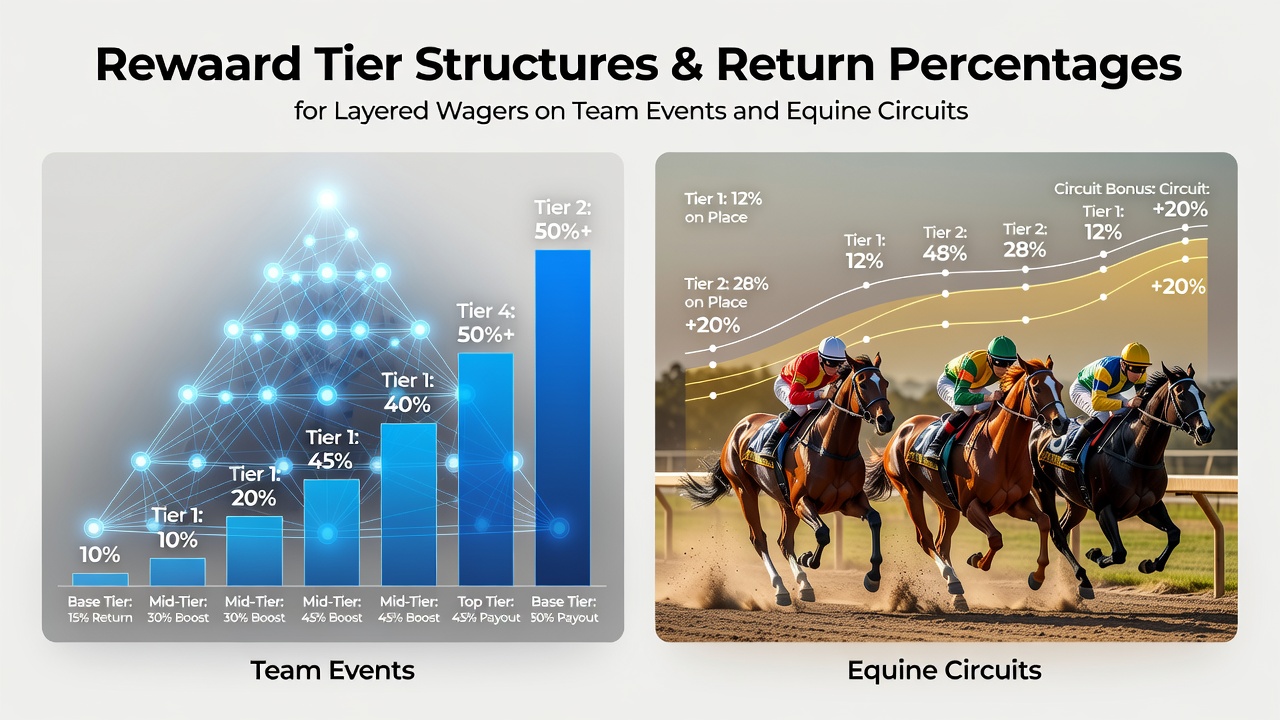
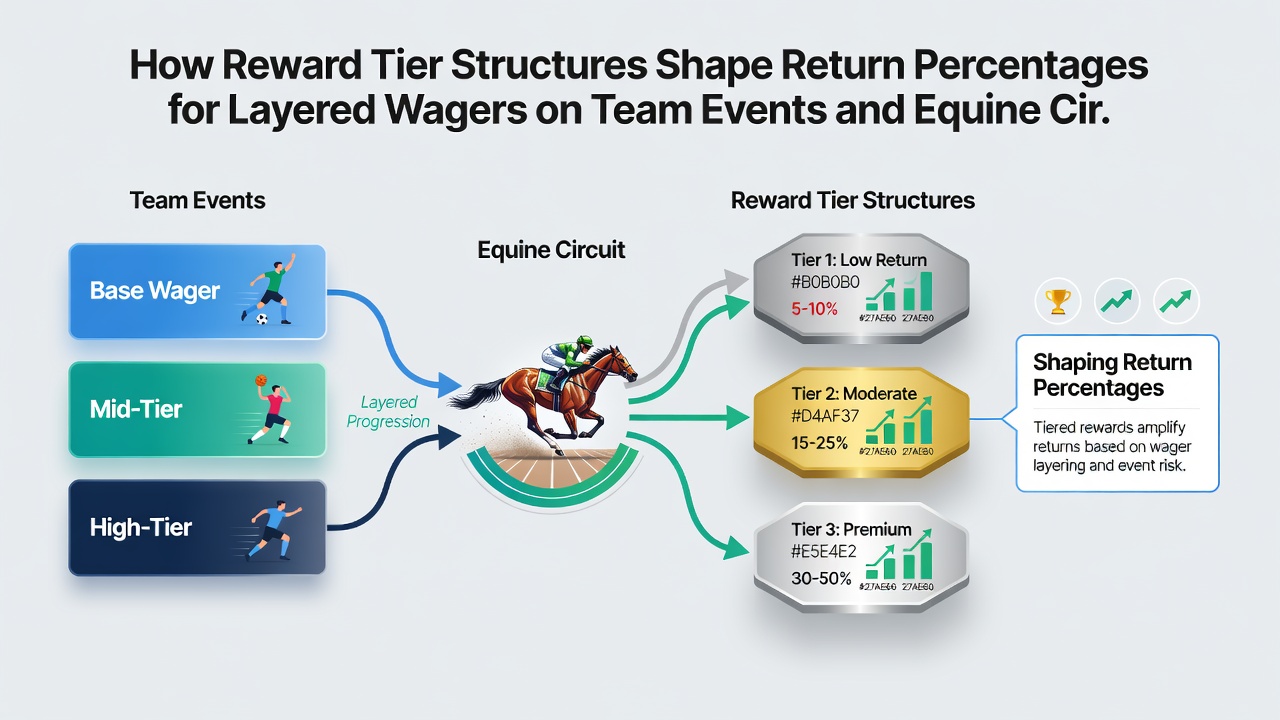
Operators in regulated markets structure reward tiers around deposit volume, wager frequency, and retention metrics, which in turn modify the effective return percentages available on layered wagers such as accumulators and multis. These adjustments occur through cashback rates, boosted odds, and exclusive promotions that scale with tier status, altering the baseline return-to-player figures that apply to single bets.
Data from industry tracking services show that operators assign higher cashback percentages to players who reach mid and upper tiers, often ranging from 5 percent at entry levels to 15 percent or more for top status. When applied to layered wagers on team events, the incremental returns compound because each leg of an accumulator already carries its own odds multiplier, so the tier-based cashback attaches to the full stake rather than to individual selections.
Mechanics of Tier Progression and Return Adjustments
Progression through tiers typically depends on a rolling 30-day or 90-day activity window, with thresholds set by total turnover or net loss. Once a player advances, the operator recalculates the effective return percentage by adding the tier benefit to the published return-to-player of the underlying markets. Researchers at the University of Nevada, Las Vegas have documented how these recalculations produce measurable differences in long-run outcomes across player cohorts.
Layered wagers introduce additional variables because the probability of all legs succeeding declines exponentially with each added selection. Tier benefits offset some of that probability decay by returning a portion of the stake regardless of outcome, effectively raising the breakeven point for the bettor. Observers note that the largest percentage gains appear when cashback applies to the entire accumulator stake rather than to settled legs individually.
Application to Team Event Accumulators
In football and basketball, layered wagers often combine match-winner, over/under, and player-performance markets. Mid-tier benefits commonly include a 10 percent cashback on losing accumulators that contain at least three legs, while top-tier accounts may receive both cashback and an odds boost on one selection within the slip. These mechanics shift the overall return curve upward without changing the posted odds on individual markets.
Figures from the American Gaming Association indicate that accumulator volume in team sports rises sharply among players who hold mid-tier status, partly because the incremental return from cashback makes longer combinations viable. The same data sets reveal that the average return percentage on three-leg football accumulators increases by approximately 2.8 percentage points once cashback reaches the 8 percent level.
Equine Circuit Considerations
Horse racing circuits present distinct market structures because place, each-way, and exotic bets such as trifectas and quinellas already embed multiple outcomes within a single wager. Tier benefits interact with these products by applying cashback to the entire stake or by providing free bets scaled to tier level. Australian racing authorities have recorded that top-tier members receive an effective 4 to 6 percentage point lift in return when cashback combines with each-way terms on multi-race bets.
Layered equine wagers, such as doubles and trebles across different meetings, carry lower individual leg probabilities than many team-sport accumulators. Consequently, the same nominal cashback rate produces a larger relative improvement in expected return because the baseline hit rate sits lower. Track operators adjust tier thresholds seasonally to reflect peak racing calendars, ensuring that volume-based progression aligns with major festival periods.
Interaction Between Tier Benefits and Market Volatility
Market volatility differs between team events and equine circuits. Football accumulators often draw from correlated markets within the same fixture, whereas equine doubles span independent races. Tier cashback dampens the effect of this volatility by guaranteeing a fixed percentage return on turnover, which smooths the distribution of outcomes across a player’s betting history. Studies compiled by the Canadian Centre on Substance Use and Addiction show that players in higher tiers maintain steadier wagering patterns precisely because the tier benefit reduces the impact of variance on net position.
Operators also layer free-bet awards at certain tier thresholds. These awards function as an additional multiplier on return percentage when used on new layered wagers, because the free stake carries no risk to the player’s own funds. The combined effect of cashback plus periodic free bets can raise the long-term return percentage on layered wagers by as much as 5 to 7 points relative to base-tier accounts, according to aggregated operator reports.
Conclusion
Tier structures therefore function as a dynamic overlay on published return-to-player figures, reshaping the economics of layered wagers in both team sports and equine circuits through scaled cashback, odds boosts, and free-bet entitlements. The magnitude of the adjustment scales with tier level and with the number of legs in the wager, producing measurable differences in expected outcomes across player segments. Regulatory filings and academic analyses continue to track these interactions as operators refine tier thresholds in response to volume patterns observed through 2026.