Tiered Loyalty Mechanics: Converting Points into Payout Modifications for Accumulators and Doubles
Written by Katja Zimmermann · Aug 8, 2026
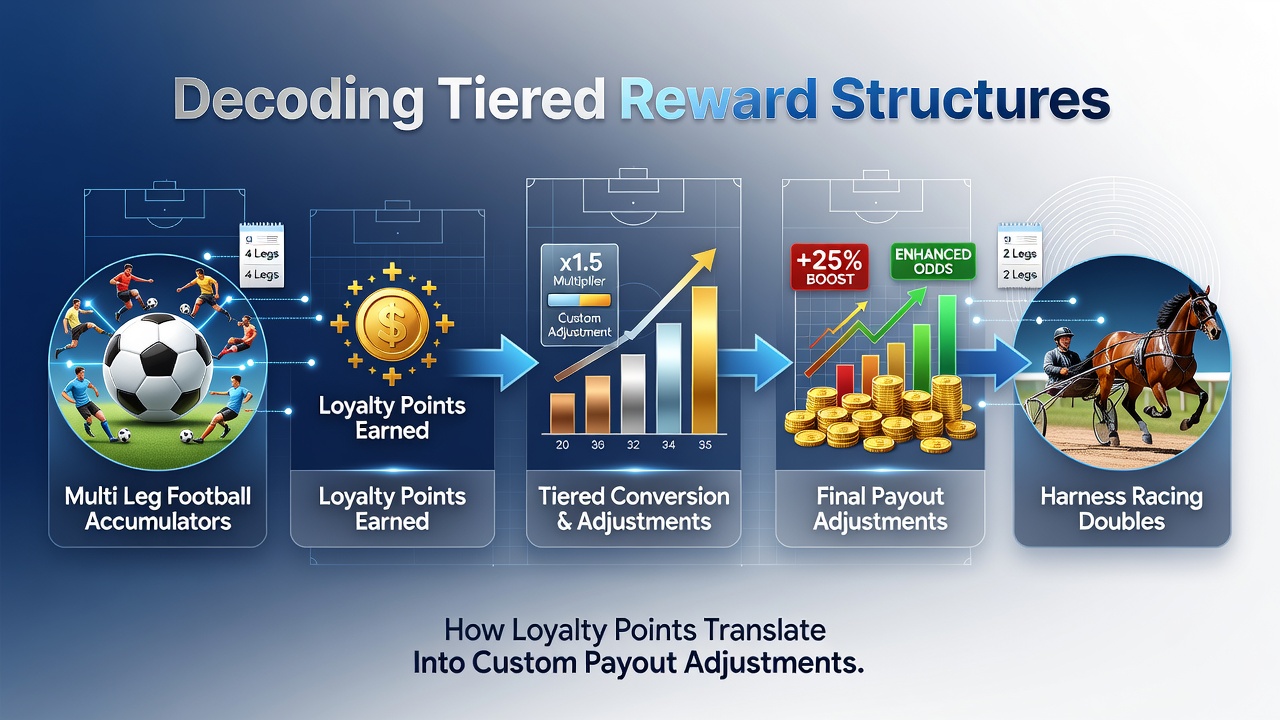
Tiered Loyalty Mechanics: Converting Points into Payout Modifications for Accumulators and Doubles
Betting platforms structure loyalty programs around tiered levels where accumulated points directly influence payout calculations on complex wagers, and observers note that multi-leg football accumulators along with harness racing doubles receive specific modifiers based on these tiers. Data from industry tracking shows that basic tiers start with standard point values while higher tiers unlock percentage-based boosts that alter the final settlement amounts without changing the initial odds.
Points accrue through regular betting activity, with each wager contributing a fixed ratio of points per unit staked, yet the conversion process applies different multipliers depending on the tier achieved by the account holder. Researchers at gaming analytics firms have documented cases where a mid-level tier converts points into a 2 percent payout uplift on qualifying accumulators, while top tiers extend that to 5 percent or more through automated adjustments applied at settlement.
Point Accumulation and Tier Progression
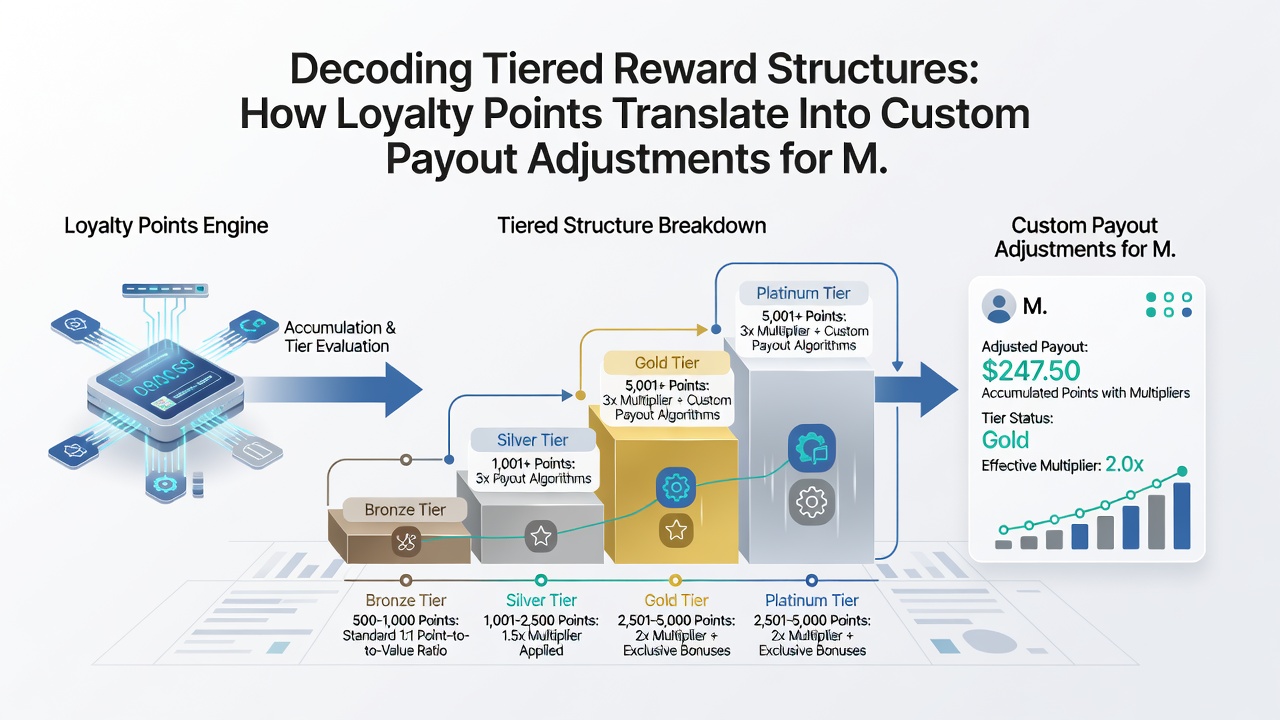
Platforms calculate loyalty points using formulas tied to bet volume and type, so football accumulators spanning four or more legs generate higher point yields than single bets because of the increased risk and stake size involved. Harness racing doubles, which combine two selections from the same meeting, follow similar scaling where points accumulate faster on exotic combinations. Studies from academic sources indicate that progression between tiers occurs monthly, with thresholds set at 5,000 points for silver, 15,000 for gold, and 30,000 for platinum as of August 2026.
Once a tier activates, the system applies custom payout rules automatically, and those who track these programs find that the modifiers appear in the bet slip preview before confirmation. What's interesting here is how the adjustments remain proportional to the total return rather than the stake, which means larger accumulator payouts receive greater absolute boosts even though the percentage stays fixed within each tier.
Application to Multi-Leg Football Accumulators
Football accumulators with multiple legs trigger tier-based modifiers that scale with the number of selections, according to reports compiled by the American Gaming Association. A four-leg accumulator at the gold tier might receive a 3 percent uplift applied to the combined odds product, whereas the same bet at platinum level extends to 4.5 percent. This translation happens because the platform's backend recalculates the effective payout coefficient once the loyalty tier data pulls into the settlement engine.
Take one account that reached gold status through consistent harness racing activity and then placed a five-leg football accumulator; the system applied the tier modifier at cashout, resulting in an adjusted total that reflected both the original odds and the loyalty adjustment. Figures from platform disclosures reveal that such customizations occur most frequently on bets exceeding 10 units, where the point-to-payout ratio delivers measurable differences in final returns.
Translation Mechanics in Harness Racing Doubles
Harness racing doubles operate under parallel rules where loyalty points convert into payout tweaks that account for the lower volatility compared with football multis, yet the tier structure remains identical across both categories. Data indicates that a platinum-tier double receives a 6 percent uplift on the combined payout when both selections win, applied after the initial dividend calculation completes. This process integrates with existing tote or fixed-odds systems so the adjustment appears as a separate line item on the account statement.
Platforms maintain separate tracking for racing versus football points in some cases, although many consolidate activity into a single tier that covers all verticals. Those who've examined settlement logs find that doubles involving favorites receive the same percentage modifier as longer-priced combinations because the tier applies uniformly once qualification criteria are met.
Integration of Regulatory and Industry Data
Regulatory bodies outside the UK, such as the Nevada Gaming Control Board, publish periodic overviews of loyalty program compliance that cover how point conversions must remain transparent to users. A separate analysis from the Canadian Gaming Association highlights that tiered adjustments on accumulator-style bets require clear disclosure of the multiplier before bet placement. These frameworks ensure the translation from points to payout modifications follows documented formulas rather than discretionary changes.
Industry reports further show that operators update tier thresholds periodically, with August 2026 seeing several platforms raise the platinum entry point by 10 percent to reflect higher average betting volumes. Observers tracking these shifts note that the changes affect football accumulators more noticeably because of their higher point generation rate per stake unit.
Conclusion
The mechanics connecting loyalty points to custom payout adjustments follow consistent patterns across multi-leg football accumulators and harness racing doubles, with tier levels determining the scale of each modification. Data from multiple jurisdictions confirms that these systems operate through automated backend processes that apply fixed percentages once an account reaches the required point total. Continued monitoring by regulatory and industry groups maintains transparency around how points translate into final returns on these bet types.