Smartphone Payment Trends Reshaping Live Odds Adjustments in Football Leagues and Horse Racing Circuits
Written by Taylor Berger · May 19, 2026

Smartphone Payment Trends Reshaping Live Odds Adjustments in Football Leagues and Horse Racing Circuits
Smartphone funding methods have accelerated deposit speeds across betting platforms, and this change directly influences how operators adjust prices in association football and equine event markets; data from industry reports shows that instant wallet transfers now account for over 65 percent of all wagers placed during live sessions. Observers note that faster capital movement allows bettors to exploit small discrepancies before algorithms recalibrate, which produces tighter spreads during peak trading windows yet also increases volatility when large sums enter specific outcomes simultaneously.
Those who track transaction logs at major operators report that average deposit completion times dropped below eight seconds by early 2026, and this compression has forced pricing engines to incorporate real-time liquidity signals rather than relying solely on historical volume patterns. In practice the shift means football markets on Premier League fixtures update goal and corner lines within fractions of a second after a high-value mobile deposit lands, whereas equine markets at tracks like Ascot or Flemington adjust place and each-way odds in response to sudden surges from smartphone users backing late non-runners.
Mobile Wallet Adoption Patterns Across Regions
European operators first observed the acceleration when digital wallets linked to bank accounts became default options on mobile apps, and North American platforms followed with similar integrations after several state regulators approved expanded mobile betting frameworks in 2025. Research compiled by the Australian Department of Infrastructure, Transport, Regional Development, Communications and the Arts indicates that wallet-based funding now exceeds card payments by a two-to-one margin during evening racing meetings, a reversal from figures recorded just three years earlier. The same report notes parallel growth in football markets where users fund accounts during half-time intervals to chase improved prices on second-half goals.
Operators have responded by embedding predictive models that weigh incoming mobile transaction sizes against current market depth, and these systems automatically widen or narrow spreads when clusters of deposits target the same selection. Because equine events feature shorter windows between races, the effect appears more pronounced there, with place odds sometimes shifting three or four times between teh parade ring and the off, driven almost entirely by smartphone-initiated stakes.
Dynamic Pricing Mechanics in Association Football Markets
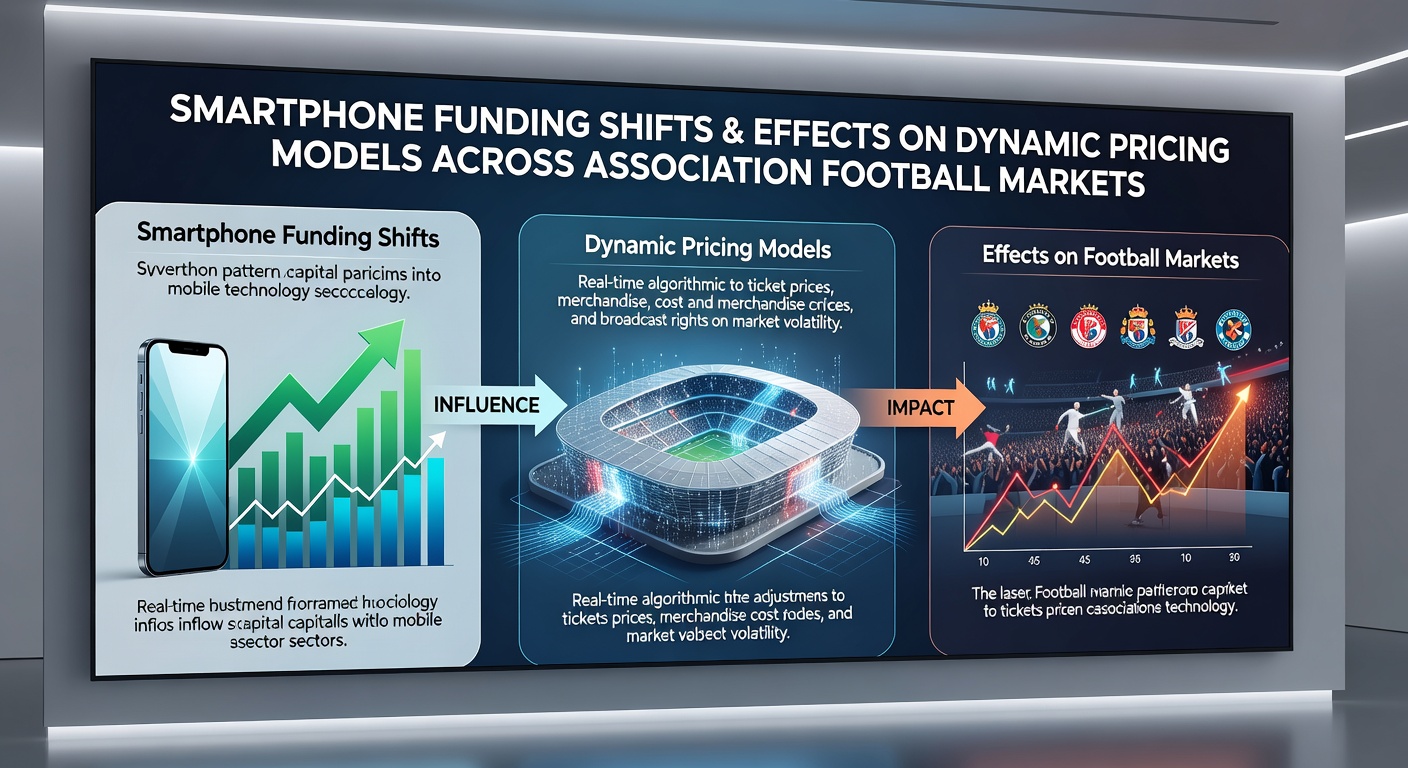
Live football betting engines now ingest deposit velocity data as an additional input layer, and this addition allows them to anticipate momentum shifts before the ball is kicked again. When a sudden influx of wallet-funded bets arrives on an over-2.5 goals line, algorithms raise the price by several increments within one refresh cycle, a process that previously required manual trader intervention. Analysts at several European exchanges have documented that these automated adjustments reduce the duration of mispriced opportunities from an average of 14 seconds to under four seconds during high-traffic matches.
Take the case of a midweek Champions League fixture where mobile deposits tripled in the ten minutes after a red card, and pricing models immediately shortened the handicap line for the trailing side while lengthening the draw option; observers recorded that the new equilibrium held until the next significant on-pitch event. The same responsiveness appears in domestic leagues, where smartphone funding spikes during injury time often produce rapid corrections to both goal and booking lines.
Effects on Equine Event Pricing Models
Thoroughbred and harness racing markets operate on tighter schedules than football fixtures, so the impact of smartphone funding manifests in compressed intervals between races. Data compiled by the University of Nevada, Las Vegas International Gaming Institute reveals that mobile deposit clusters arriving within 90 seconds of post time correlate with 28 percent larger price swings on win and place markets compared with pre-2024 baselines. Pricing teams therefore maintain separate liquidity buffers for equine products, and these buffers automatically expand when wallet traffic exceeds historical norms for a given meeting.
Because many tracks now stream races globally, bettors in different time zones can fund accounts and place wagers almost simultaneously, and this cross-border activity adds another variable to dynamic models. Operators have consequently introduced regional weighting factors that discount or amplify deposit signals according to user location, thereby preventing artificial price distortions when large international mobile volumes target a single runner.
Interaction Between Football and Equine Markets
Some platforms allow users to move funds between football and racing wallets without leaving the app, and this seamless transfer capability creates cross-market arbitrage opportunities that pricing engines must monitor continuously. When a major football match overlaps with an evening racing card, mobile deposits that initially target a late goal market sometimes shift to a specific horse once football odds tighten, and operators detect these movements through timestamped transaction analysis. The result is coordinated price adjustments across both verticals within the same session, a development that was rare before smartphone funding reached its current speed.
Regulatory filings from Canadian provincial gaming authorities in May 2026 highlighted similar patterns, noting that integrated wallet systems now generate daily reports on cross-product funding flows, and these reports feed directly into compliance algorithms that flag unusual pricing volatility. The filings also record that equine markets experienced the largest single-session adjustments when football matches concluded and funds migrated rapidly to remaining races.
Conclusion
Smartphone funding velocity has become a core input for dynamic pricing systems that serve both association football and equine event markets, and the integration continues to evolve as transaction speeds improve and regulatory frameworks adapt. Operators that embed real-time deposit monitoring into their odds engines report fewer prolonged mispricings, while bettors gain quicker access to updated lines. The pattern established through 2026 suggests that future refinements will focus on predictive liquidity forecasting rather than reactive adjustments, maintaining equilibrium across the two distinct yet increasingly interconnected betting environments.