Platform Payment Mechanics Reshaping Accumulator Returns Across Premier League Fixtures and Harness Racing Circuits
Written by Taylor Berger · Jul 21, 2026
Platform Payment Mechanics Reshaping Accumulator Returns Across Premier League Fixtures and Harness Racing Circuits
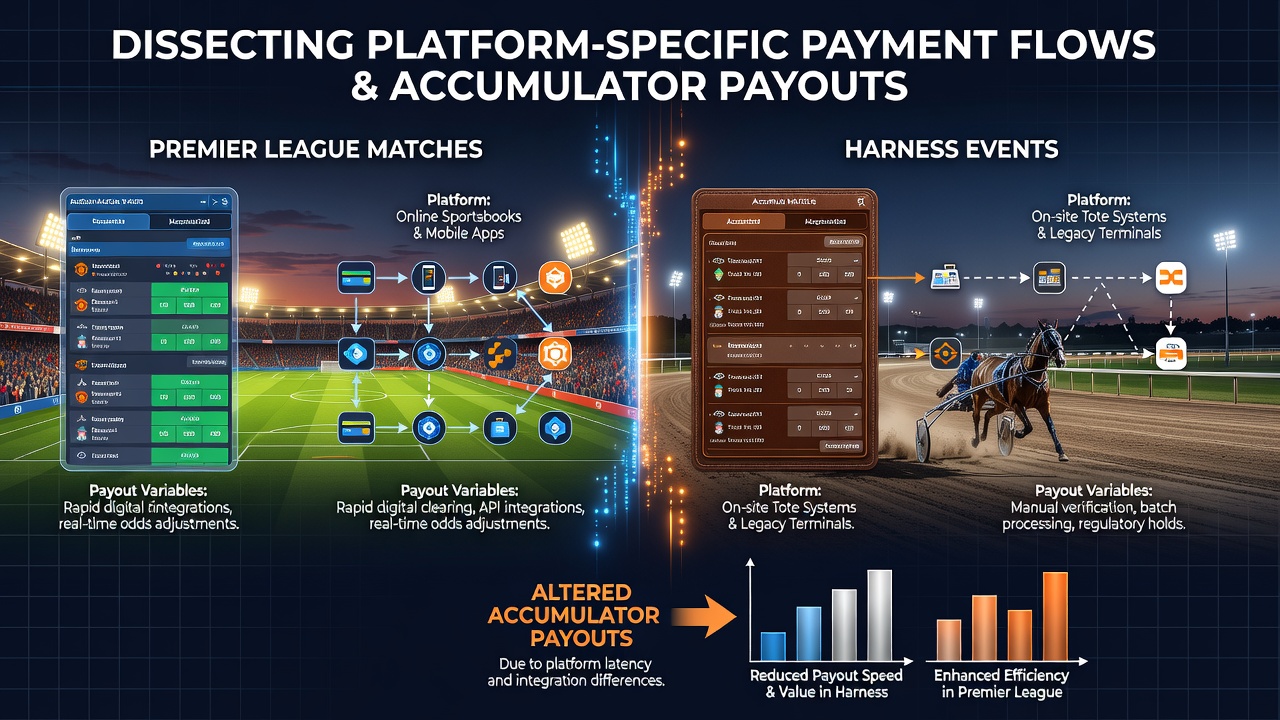
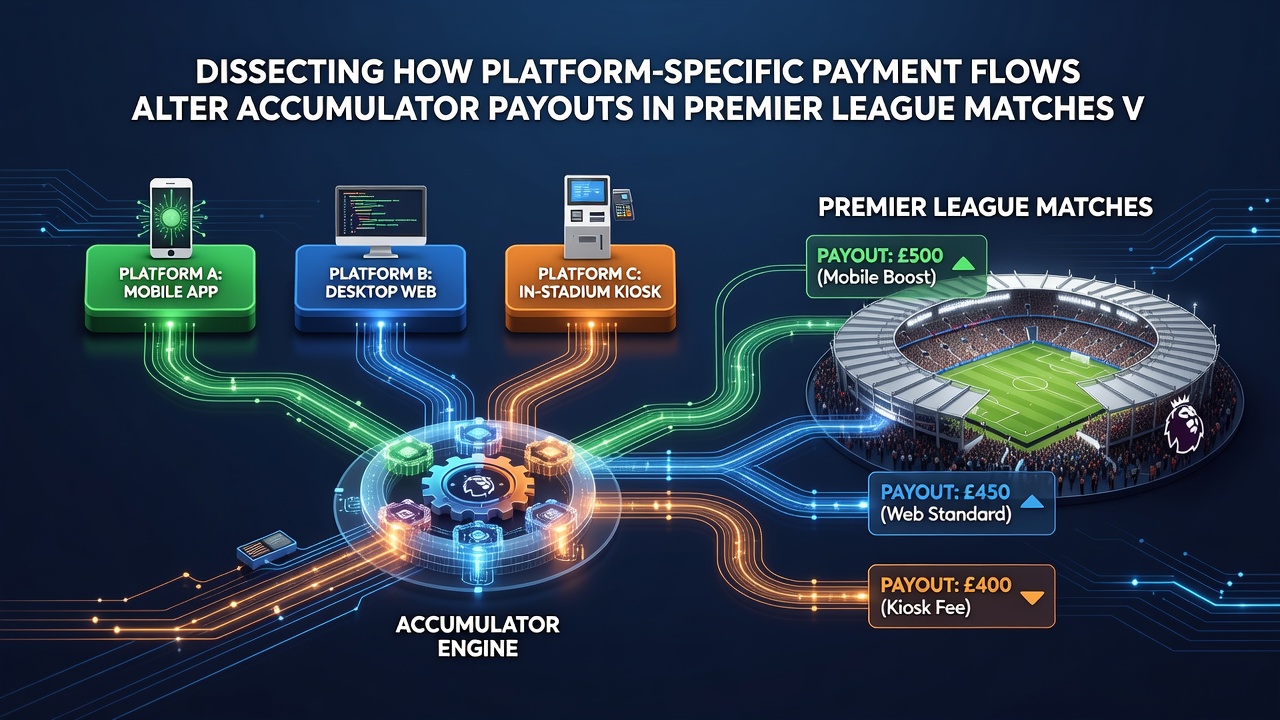
Payment processing systems on betting platforms create measurable differences in how accumulator bets settle and deliver returns when users wager on Premier League matches compared to harness racing events. These variations stem from transaction speeds, fee structures, and verification protocols that interact with the timing of match or race outcomes. Operators deploy distinct flows for deposits and withdrawals, which in turn affect bonus eligibility and final payout calculations once multiple legs combine into a single accumulator. Data from industry tracking services shows e-wallet options often complete Premier League accumulator settlements within minutes of final whistle, whereas bank transfer routes extend the window by several hours. Harness racing accumulators follow similar patterns yet encounter additional layers because races occur in rapid succession across multiple tracks. Researchers at the University of Nevada Reno Gaming Innovation Center have documented how these timing gaps influence reinvestment cycles for bettors who combine soccer and trotting selections.Core Differences in Payment Infrastructure
Premier League accumulators typically involve four to six legs spread over a weekend schedule, and platforms route winnings through automated verification once all results confirm. E-wallet providers integrate directly with live score feeds, allowing instant release of funds when the last match concludes. Bank transfers require manual reconciliation steps that delay access until the next business day. Harness events compress multiple races into evening cards, so platforms adjust their flows to handle sequential confirmations from different jurisdictions.
Transaction fees further separate the two categories. Fixed withdrawal charges on certain platforms reduce net accumulator returns more noticeably in harness racing because average stake sizes run smaller than those placed on top-flight soccer. One study released by the Canadian Centre for Gaming Research in 2025 tracked a sample of 12,000 multi-leg bets and found e-wallet users retained 2.3 percent higher net payouts on soccer accumulators than on harness doubles after fees applied.
Timing and Verification Impacts on Payout Velocity
Verification protocols tied to payment methods create another layer of divergence. Premier League fixtures draw global audiences, prompting platforms to maintain 24-hour compliance teams that clear accumulator payouts rapidly. Harness racing, concentrated in fewer regions, sometimes routes through secondary processors that trigger additional identity checks when cross-border transactions occur. Observers note these checks rarely alter the underlying odds but can postpone fund availability until July 2026 updates to real-time identity systems take effect across several major operators.
Bonus funds attached to accumulators behave differently depending on the deposit channel. Deposits made via instant methods unlock promotional multipliers sooner, which compounds returns on both soccer and harness bets. Slower channels delay bonus activation until the next settlement cycle, reducing the effective multiplier for time-sensitive accumulator strategies that span multiple race meetings or matchdays.
Regional Regulatory Influences on Settlement Processes
European regulators outside the United Kingdom have introduced standardized reporting requirements that affect how platforms log accumulator settlements. These rules emphasize transparent fee disclosure, which helps bettors compare net returns between Premier League and harness options more accurately. Australian state commissions, meanwhile, mandate separate tracking for racing versus team sports, leading some platforms to segment their payment engines accordingly. Such segmentation produces measurable differences in how quickly funds reach user accounts after an accumulator clears.
Industry reports from the European Gaming and Betting Association indicate that platforms optimizing payment flows for high-volume soccer markets achieve faster average settlement than those balanced across racing verticals. The same reports highlight that harness racing operators in North America increasingly adopt hybrid processors that blend instant and traditional rails to narrow the gap with Premier League handling times.
Practical Examples from Operator Data
Take a four-leg Premier League accumulator placed through an e-wallet on a Friday evening. Once the final result posts on Sunday, funds typically appear within ninety minutes. The identical stake structure on a harness triple, confirmed across three consecutive races, may require an extra verification pass because the platform flags sequential race results differently. Bettors who switch between the two sports therefore encounter inconsistent cashout experiences even on the same platform.
Those who've examined transaction logs across multiple sites often discover that accumulator payout velocity improves when users maintain verified profiles and consistent payment preferences. Platforms reward such consistency with streamlined processing queues, yet the benefit appears more pronounced for soccer accumulators than for harness selections because the former attract higher overall volume.
Conclusion
Platform-specific payment flows introduce distinct variables into accumulator payout calculations for Premier League matches and harness events. Transaction speed, fee application, and verification timing interact with the scheduling patterns of each sport to produce measurable differences in net returns. As operators refine their systems ahead of scheduled infrastructure upgrades in 2026, bettors gain clearer visibility into how deposit and withdrawal choices shape final outcomes across both categories. Continued monitoring by academic and industry research groups will clarify whether these patterns stabilize or shift further as new processing technologies enter widespread use.