Payment Processing Windows and Their Influence on Multi-Leg Betting Patterns in Football Competitions and Thoroughbred Racing Circuits
Written by Katja Zimmermann · Jul 25, 2026

Payment Processing Windows and Their Influence on Multi-Leg Betting Patterns in Football Competitions and Thoroughbred Racing Circuits
Payment processing speeds determine how bettors construct accumulators across football leagues and equine events because settlement times dictate when funds become available for additional wagers, and operators adjust their payout schedules accordingly. Data from regulatory filings in multiple jurisdictions show that e-wallet transactions typically clear within minutes while bank transfers require one to three business days, creating distinct windows for bet placement that shape accumulator building strategies.
Settlement Timelines in Major Soccer Leagues
European football competitions generate high volumes of live betting activity where rapid fund movement matters most, and observers note that bettors often rely on instant payout platforms to chain multiple selections before match events unfold. Australian Competition and Consumer Commission reports indicate that transaction delays exceeding thirty minutes correlate with reduced participation in multi-leg football accumulators, particularly during midweek European league fixtures. Bettors who use faster methods maintain the ability to adjust stakes across parallel matches in leagues such as the Bundesliga or Serie A, whereas slower processing forces earlier commitment to selections and limits flexibility when lineups or weather conditions change.
North American soccer markets follow similar patterns, and figures from industry analyses reveal that accumulator volume spikes when operators offer same-day withdrawals after successful cashouts. Those timelines allow participants to reinvest winnings from early evening matches into later fixtures without waiting for traditional banking cycles, and this dynamic appears most pronounced during international tournament windows when matches occur across consecutive days.
Equine Events and Racing Payout Structures
Thoroughbred and harness racing circuits operate on compressed schedules where races occur every twenty to thirty minutes at major tracks, and payment timelines directly affect how accumulators combine selections across meetings. Canadian regulatory data shows that bettors using instant settlement options place more multi-race wagers spanning tracks in different time zones, while slower methods restrict activity to single-meeting doubles or triples. The interval between races creates natural pressure points where delayed funds prevent participation in subsequent legs, and operators have responded by prioritizing faster processing for racing products.
One study of Australian racing markets found that accumulator participation increased when withdrawal times dropped below fifteen minutes, and this pattern holds across both metropolitan and regional tracks. Bettors combine selections from morning meetings in one region with evening cards elsewhere, yet the strategy only works when transaction systems keep pace with the racing calendar.
Cross-Sport Accumulator Construction
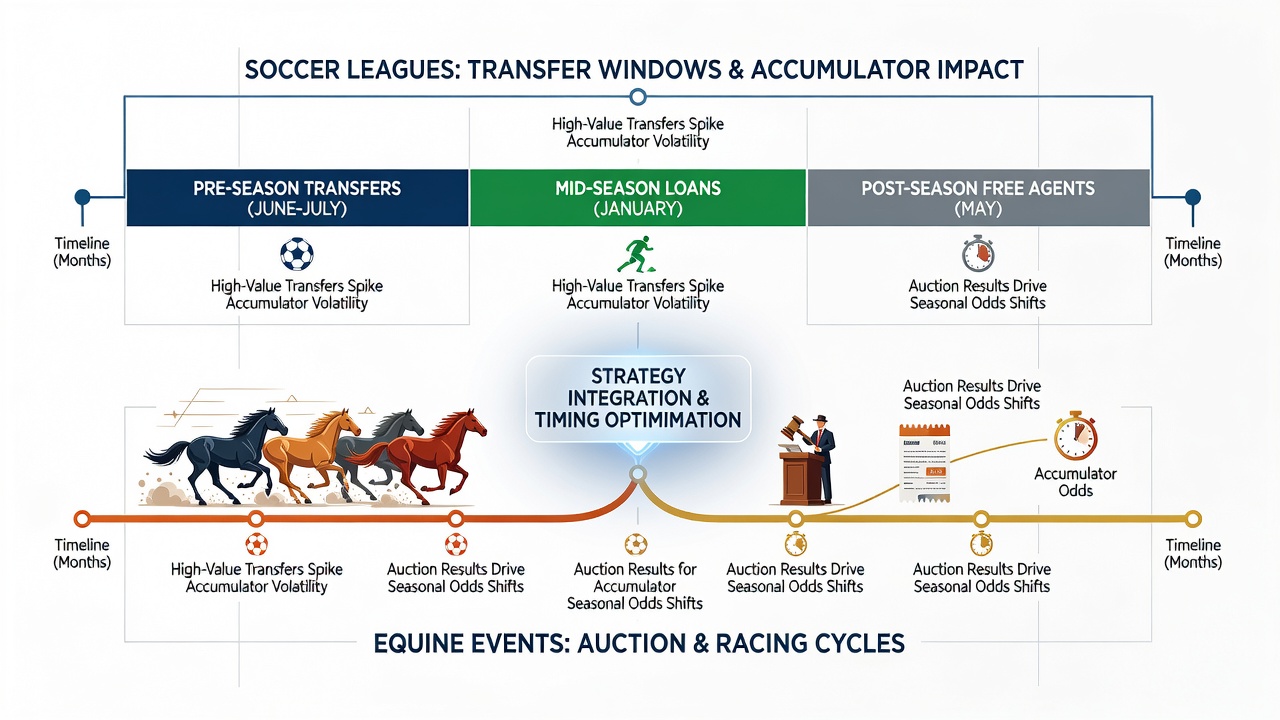
Operators have introduced combined football and racing accumulator products that require simultaneous settlement across different event types, and the European Gaming and Betting Association documentation highlights how processing windows determine whether such products remain viable. A bettor who places an early football leg must receive funds before the first equine selection closes, and platforms that guarantee sub-ten-minute payouts capture higher volumes of these hybrid bets. Slower systems force participants to choose between sports or accept reduced stake sizes on later legs.
Research institutions tracking global betting behavior report that transaction speed influences not only volume but also the average number of legs in accumulators, with faster methods supporting longer chains across both soccer leagues and racing meetings. This effect becomes measurable during peak periods such as summer racing festivals that overlap with pre-season football friendlies.
Regulatory and Platform Responses Through Mid-2026
By July 2026 several international regulators had updated guidelines requiring operators to disclose average settlement times for different payment methods, and these disclosures now appear in product terms for accumulator markets. Platforms responded by expanding e-wallet partnerships and introducing instant payout tiers for verified users, while maintaining standard processing for legacy bank options. The changes allow bettors clearer visibility into which methods support rapid accumulator construction across football and equine events.
Industry reports note that markets with transparent timelines see higher retention among users who build multi-sport accumulators, because participants can plan wager sequences around known processing windows rather than guessing when funds will arrive.
Conclusion
Transaction timelines continue to shape accumulator strategies because they set the practical limits on how many selections and which event types can be combined within available windows. Football leagues and equine circuits each operate on their own calendars, and payment speeds determine whether bettors can move winnings between them efficiently. Data across jurisdictions confirm that faster settlement methods correlate with greater participation in multi-leg products, while slower options restrict activity to simpler combinations. Operators and regulators have adjusted disclosure requirements and processing standards to reflect these patterns, and the resulting environment gives participants more predictable conditions for building accumulators that span soccer matches and racing meetings.