From Wallet to Wager: How Transfer Techniques Shape Bonus Triggers and Market Fluctuations in Gridiron and Gallop Events
Written by Theo Hoffmann · May 30, 2026

From Wallet to Wager: How Transfer Techniques Shape Bonus Triggers and Market Fluctuations in Gridiron and Gallop Events
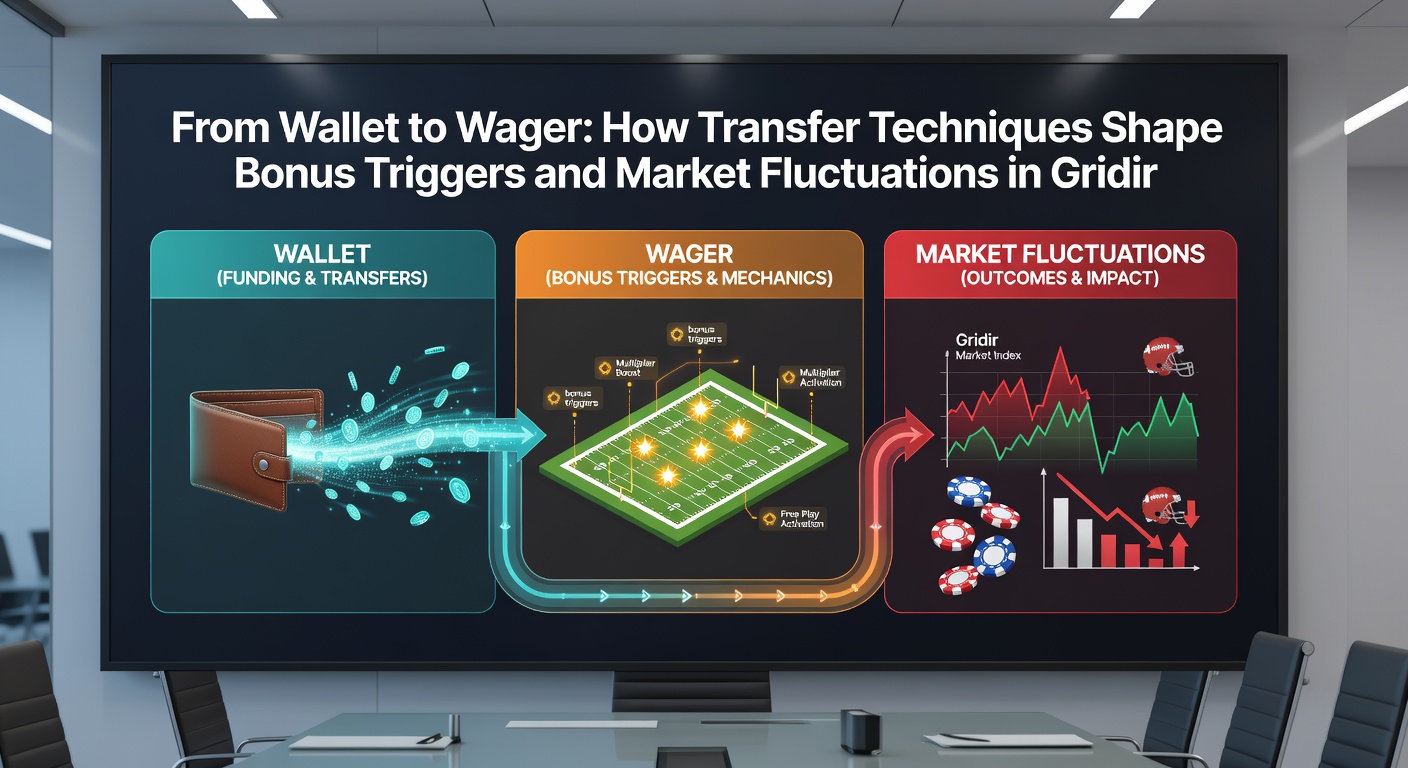
Payment processing speeds now determine whether bettors capture time-sensitive bonuses in American football and horse racing markets, while also influencing how odds shift during live events. Faster methods such as e-wallets and certain card networks complete transactions in seconds, which activates promotional credits before lines move in response to new information. Slower bank transfers often miss these windows entirely, leaving users without the extra stake that would have amplified returns on gridiron spreads or gallop win bets.
Deposit Methods and Bonus Activation Patterns
Operators structure sign-up and reload offers around deposit confirmation times, so the choice of transfer technique directly controls eligibility. E-wallet deposits typically clear instantly, allowing the bonus to attach to an account before a Thursday night NFL game or a stakes race at Churchill Downs begins. Credit card transactions follow closely behind in most jurisdictions, whereas ACH pulls from traditional banks can require 24 to 48 hours and frequently arrive after the promotional period closes.
Data from the American Gaming Association shows that e-wallet usage in U.S. sportsbooks rose steadily through early 2026, correlating with higher bonus redemption rates during major football weekends. Observers note that when a large volume of instant deposits lands simultaneously, operators sometimes adjust maximum bonus amounts or tighten wagering requirements to manage liability, which in turn affects how sharp bettors allocate funds across multiple accounts.
Gridiron Markets Respond to Funding Velocity
Live betting on NFL and college football games moves quickly once play starts, and deposit speed influences whether a bettor can exploit small inefficiencies created by bonus funds. A player who funds an account via e-wallet can place a live prop bet on a quarterback's passing yards within minutes of a deposit clearing, whereas a user relying on a wire transfer may watch the line shift before the funds become available. These timing differences contribute to measurable spikes in handle during the first and second quarters of prime-time games.
Market makers at several major sportsbooks have reported that bonus-triggered wagers cluster around specific player props and alternate spreads, producing temporary imbalances that later correct as non-bonus money flows in. In May 2026, industry reports indicated that platforms offering same-minute e-wallet bonuses recorded 12 to 15 percent higher live-handle percentages on Sunday afternoon slates compared with slower-funding competitors.
Gallop Events and Timing Sensitivity
Thoroughbred and harness racing markets operate on tighter schedules, with pools closing minutes before post time, so deposit technique becomes even more critical. Bettors who use instant transfer methods can add funds and claim a racing-specific reload bonus before the final odds are calculated, allowing them to participate in the pool at the higher takeout-adjusted return. Those relying on slower methods often find the race underway or the pool closed by the time funds arrive.
Research compiled by the Australian Wagering Council indicates that platforms integrating real-time payment rails saw increased participation in exotic wagers such as trifectas and first-four bets during the 2025–2026 Australian racing season. The same data set revealed that bonus funds attached through fast deposits tended to concentrate on longer-priced runners, producing slight but consistent movements in tote odds during the final minutes before race start.
Broader Market Fluctuations Linked to Transfer Trends
When a critical mass of bettors switches to faster funding options, operators adjust risk models and sometimes widen or tighten lines to protect margins. Gridiron totals markets, for example, have shown greater volatility on Monday night games when large volumes of e-wallet deposits coincide with injury news released close to kickoff. Gallop quinella and exacta pools at major tracks exhibit similar behavior when bonus-eligible money enters the pool late.
Academic studies published by researchers at the University of Nevada, Las Vegas, have tracked these patterns across multiple seasons and found that payment-method segmentation creates distinct liquidity tiers within the same betting market. Bettors using instant methods effectively operate in a higher-velocity segment, while those using conventional transfers remain in a slower tier that experiences fewer price corrections but also fewer promotional opportunities.
Conclusion
Transfer technique has become a structural variable in both gridiron and gallop betting ecosystems, shaping which participants receive bonuses and how those funds interact with live odds. As payment rails continue to evolve, the relationship between deposit speed, promotional triggers, and market movement remains a measurable factor that operators and bettors alike monitor through 2026 and beyond.