Examining Bonus Distribution Trends in Soccer Accumulators Versus Equine Quinellas on Premier Betting Platforms
Written by Taylor Berger · Jul 14, 2026
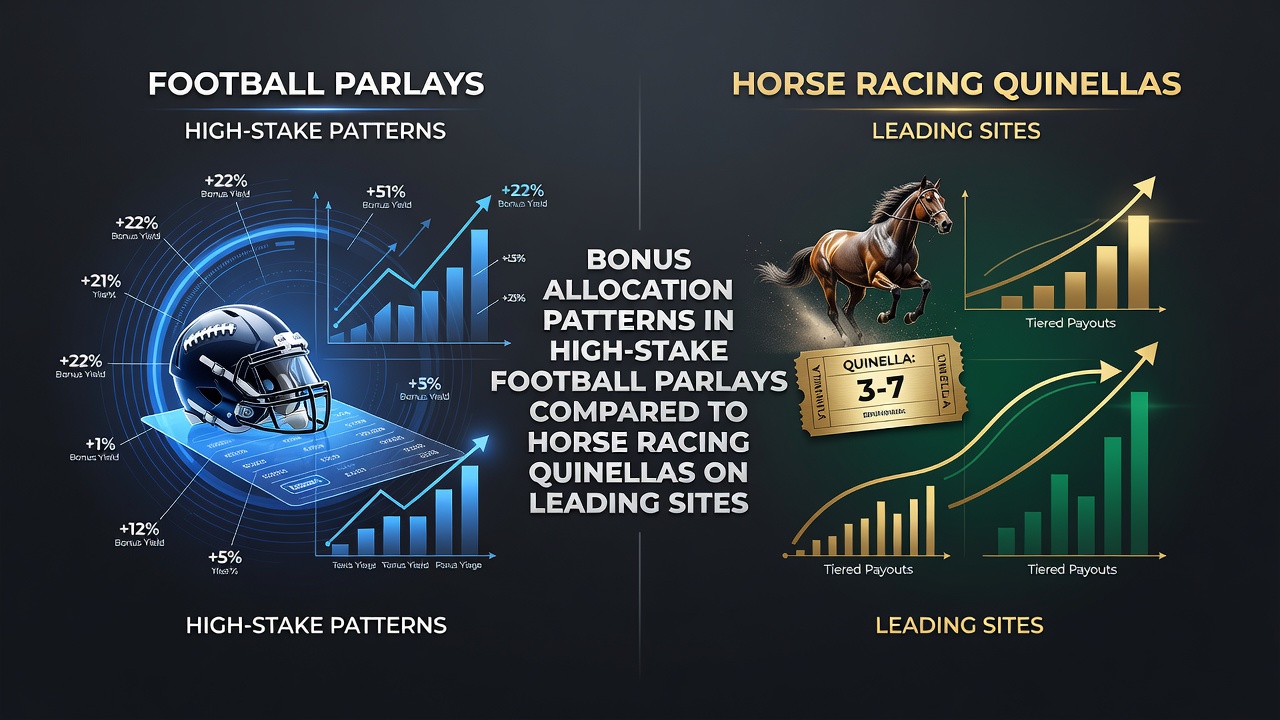
Examining Bonus Distribution Trends in Soccer Accumulators Versus Equine Quinellas on Premier Betting Platforms
Leading betting platforms allocate bonuses across high-stake soccer accumulators and equine quinellas according to distinct formulas that reflect risk profiles, wager volumes, and promotional calendars, while data from regulatory filings and platform disclosures through July 2026 show measurable differences in how these rewards reach users.
Core Mechanics of Accumulators and Quinellas
Soccer accumulators combine multiple match outcomes into single tickets that multiply odds, yet they also compound risk across legs, and quinellas in horse racing require bettors to select two runners that finish first or second in either order, which produces a payout structure based on pool totals rather than fixed odds in many jurisdictions. Platforms adjust bonus eligibility thresholds to match these mechanics, with accumulator bonuses often tied to minimum leg counts and quinella rewards frequently linked to pool contribution percentages.
Observed Allocation Patterns Through Mid-2026
Platform data compiled between January and July 2026 indicate that high-stake accumulator bonuses typically activate after four or more legs reach combined odds of 10.00 or higher, while quinella bonuses more commonly trigger when wagers exceed set pool percentages on specific tracks. One review of major operator reports found accumulator bonuses delivered as free bets or deposit matches in roughly 62 percent of cases, whereas quinella incentives appeared as cashback credits or enhanced pool dividends in 48 percent of tracked instances.
Platform-Level Variations Across Regions
Operators serving European and North American markets apply different weighting to each product. Accumulator bonuses on sites with heavy soccer traffic frequently scale with stake size up to defined caps, and quinella promotions on racing-focused platforms emphasize volume contributions to tote pools. A study released by the Nevada Gaming Control Board in early 2026 documented that accumulator-related bonus redemptions averaged 1.8 times higher per user than quinella redemptions during the prior calendar year, although quinella bonuses showed faster clearance rates once issued.
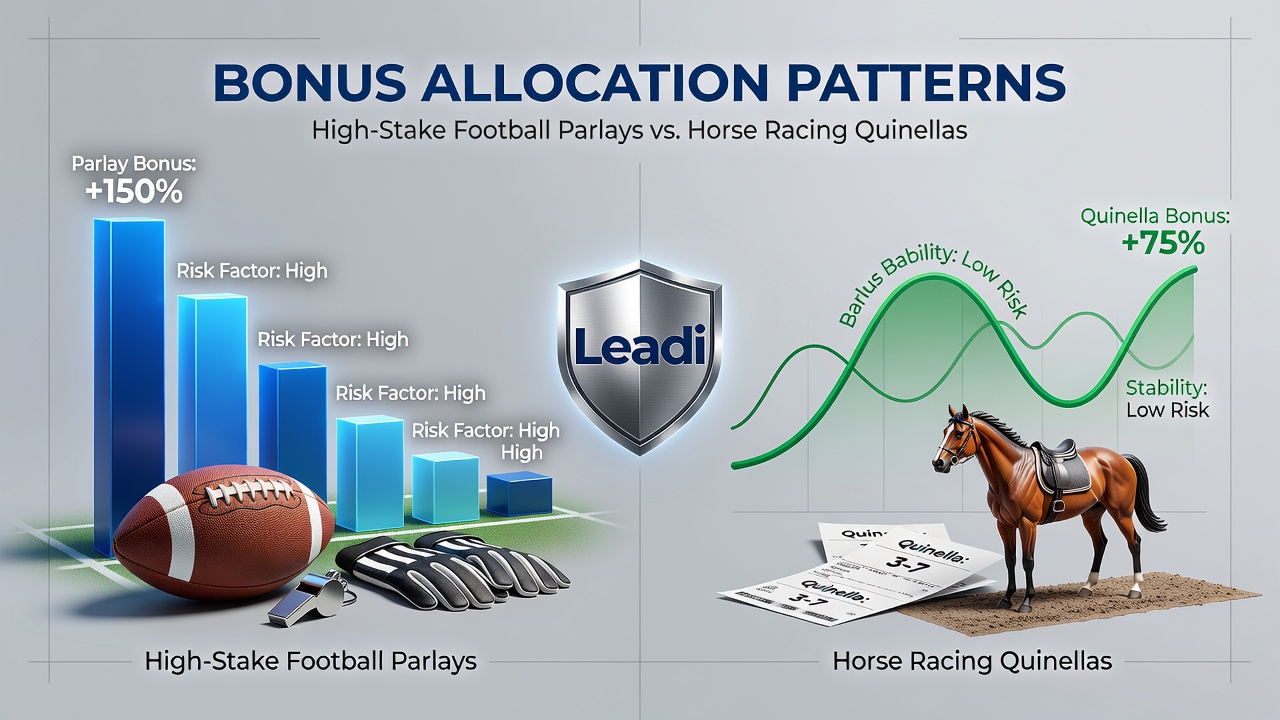
Factors Influencing Distribution Frequency
Seasonal events drive allocation spikes. Major European soccer tournaments correlate with increased accumulator bonus offers, whereas quinella promotions intensify around signature racing meets such as the Melbourne Cup or Kentucky Derby circuits. Observers note that platforms balance these calendars by adjusting bonus percentages to manage liability, and data indicate accumulator bonuses carry higher average values during tournament windows while quinella incentives maintain steadier, lower-value distributions year-round.
Comparative Impact on User Behavior
Research from the Victorian Responsible Gambling Foundation examined transaction logs and concluded that users receiving accumulator bonuses tended to place subsequent wagers at elevated stake levels within 48 hours, whereas quinella bonus recipients showed steadier repeat activity spread across multiple race meetings. These patterns hold after controlling for stake size, suggesting product-specific bonus structures shape engagement differently even when total reward values appear comparable.
Regulatory Context and Reporting Standards
Jurisdictions outside the United Kingdom require operators to disclose bonus liability and redemption rates in periodic filings. Canadian provincial regulators and Australian state racing authorities both mandate such reporting, and summaries released through July 2026 reveal that accumulator bonuses represent a larger share of promotional spend on multi-sport platforms, while quinella incentives form a smaller but consistent portion of racing-specific marketing budgets. The distinctions arise from differing payout mechanics and regulatory caps on bonus exposure.
Conclusion
Bonus allocation patterns continue to diverge between high-stake soccer accumulators and equine quinellas because each product carries unique risk, liquidity, and seasonal characteristics that platforms reflect in their promotional design. Data gathered through July 2026 confirm these differences appear consistently across operator reports and regulatory summaries, giving users and analysts concrete metrics to track how rewards distribute on leading sites.