Digital Wallet Streams and Multi-Bet Builds in Soccer Markets Plus Equine Circuits
Written by Theo Hoffmann · Jun 27, 2026
Digital Wallet Streams and Multi-Bet Builds in Soccer Markets Plus Equine Circuits
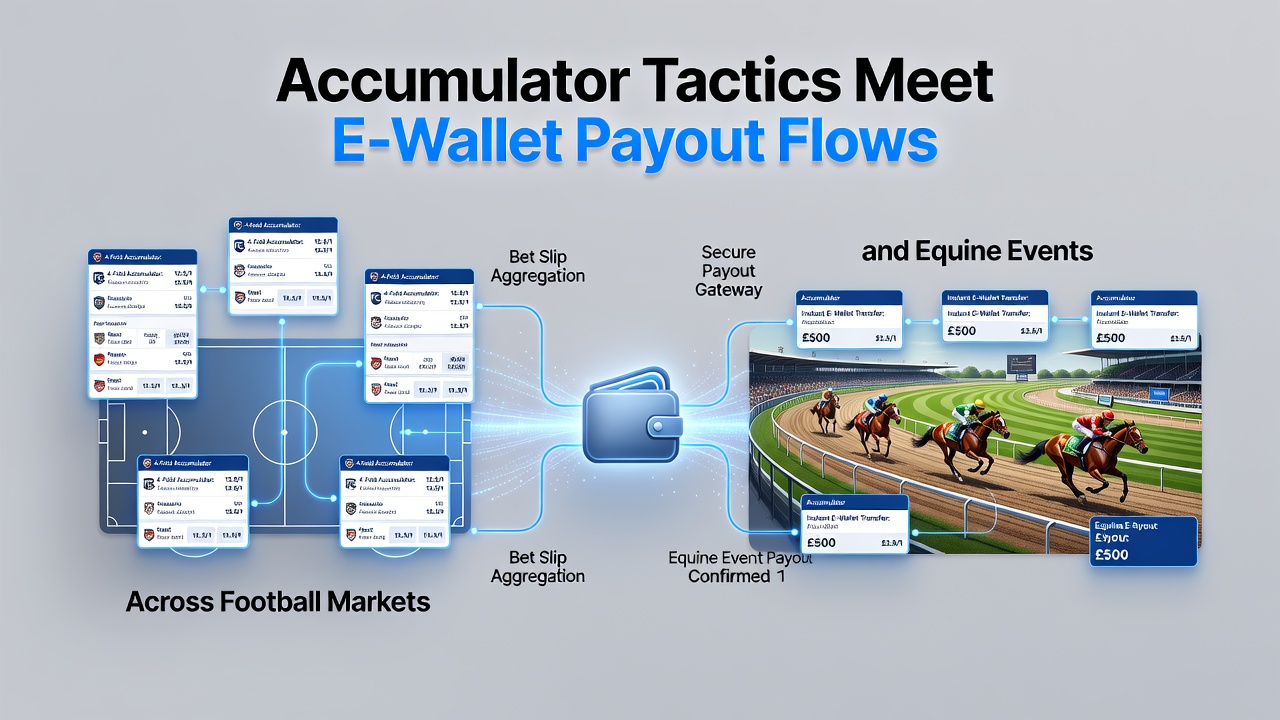
Accumulator strategies continue to intersect with electronic wallet systems as operators refine payout mechanisms for football leagues and horse racing events around the world. Platforms process these combined bets through automated sequences that link stake accumulation to rapid fund transfers once results finalize, while data from multiple jurisdictions shows steady growth in such hybrid approaches through mid-2026.
Operators track accumulator selections across domestic soccer divisions and international tournaments, then route confirmed winnings into e-wallet accounts that support instant or same-day settlement. Equine events add another layer because race outcomes often arrive in quick succession during afternoon cards, which forces systems to handle sequential payouts without manual intervention. Regulatory filings in several regions indicate that transaction volumes for these combined products rose noticeably between 2024 and 2026 as more users adopted digital wallets for speed and record-keeping.
Core Mechanics of Accumulator Construction
Users assemble accumulators by selecting multiple outcomes that multiply odds into a single payout line, whether the events occur on a football pitch or a racetrack. Each additional leg increases potential return while raising the risk of total loss if any selection fails. Software interfaces now display real-time adjustments to stake sizing and expected payout once an e-wallet balance is linked, allowing participants to adjust legs before confirmation without leaving the payment screen. Industry reports from the European Gaming and Betting Association document that such integrated tools appeared on more than sixty percent of major platforms by early 2026.
E-Wallet Settlement Patterns Across Event Types
Football markets generate accumulators that often span several days because fixtures occur midweek and on weekends, which creates staggered settlement windows. E-wallets accommodate this by holding provisional balances until the final leg resolves, then releasing the full amount in one transfer. Horse racing cards, by contrast, produce multiple races within hours, so payout flows occur in rapid bursts that test wallet processing capacity. Observers note that platforms optimized for equine events frequently advertise sub-minute credit times to e-wallets during peak racing seasons, whereas football-focused sites emphasize batch processing that aligns with league schedules.
Regional Data Trends Through June 2026
Statistics compiled by the Australian Institute of Family Studies reveal that digital wallet usage for multi-leg bets grew eighteen percent year-over-year in monitored markets, with football accumulators accounting for the larger share of transaction value. Equine operators reported comparable increases during spring carnival periods when daily racing programs overlap with international soccer windows. These patterns emerge because e-wallets reduce friction compared with traditional banking rails, particularly when users maintain balances across multiple operators.
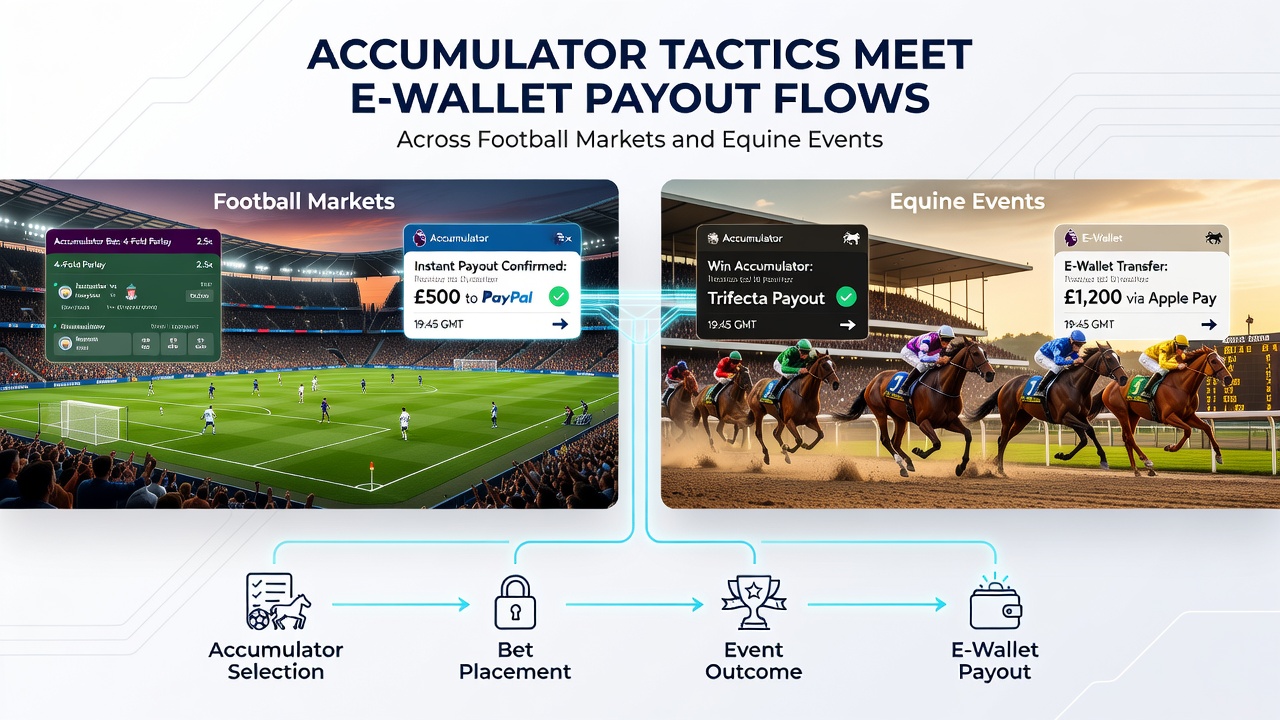
One documented case involved a Canadian operator that introduced simultaneous accumulator tracking for both Premier League weekends and major thoroughbred meetings. The system automatically split winnings between a primary e-wallet and a secondary reserve wallet when total returns exceeded preset thresholds, a feature introduced to meet responsible gambling guidelines issued by provincial authorities. Similar segmentation appears in European markets where operators must comply with cross-border transaction reporting rules that took effect in late 2025.
Operational Adjustments by Platforms
Operators adjust risk models when accumulators combine soccer and equine selections because the events run on independent calendars with distinct liquidity profiles. Automated hedging tools activate once an accumulator reaches a certain leg count, shifting portions of liability into exchange markets while preserving the original payout path through the chosen e-wallet. Research published by the University of Nevada Gaming and Hospitality Research Center indicates that such hedging reduced operator variance by an average of twenty-two percent during the 2025 calendar year across tested sites.
Users receive confirmation messages that detail both the accumulator structure and the expected e-wallet credit timeline once all legs conclude. These notifications now incorporate currency conversion estimates when events occur in different time zones, which proves useful for international participants following British football alongside Australian or South African racing meetings. Data aggregation services show that average payout completion times dropped from forty-eight hours to under six hours on platforms supporting multiple wallet providers between 2024 and June 2026.
Conclusion
Accumulator construction paired with e-wallet flows has produced measurable changes in how operators manage settlement across football and equine products. Regional statistics continue to track adoption rates while platforms refine the technical links that connect bet resolution directly to digital fund movement. As calendars for both sports remain dense through the remainder of 2026, further integration between multi-leg strategies and wallet infrastructure appears likely based on existing operational patterns.