Cash Flow Dynamics: Accelerating Returns Through Digital Wallets in Multi-Leg Football Bets and Harness Racing Distributions
Written by Katja Zimmermann · Jul 30, 2026
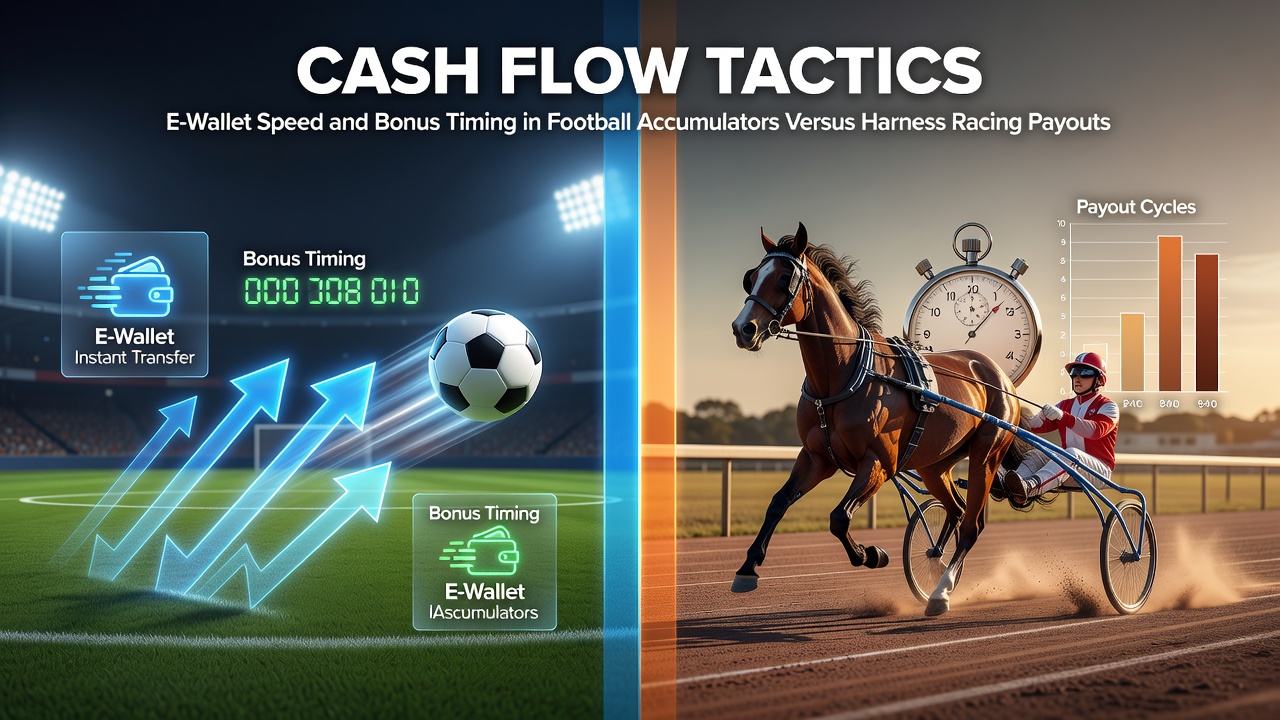
Cash Flow Dynamics: Accelerating Returns Through Digital Wallets in Multi-Leg Football Bets and Harness Racing Distributions
Digital payment systems have reshaped how returns move through betting ecosystems, particularly when football accumulators meet the structured release schedules of harness racing events. Observers note that e-wallets complete verification cycles in under sixty seconds on most platforms, whereas bank transfers often require twenty-four to seventy-two hours before funds become available for new wagers. This speed differential matters because accumulator bonuses in football frequently activate only after all legs settle, creating narrow windows where reinvestment decisions hinge on immediate liquidity.
E-Wallet Processing in Accumulator Structures
Football accumulators combine multiple match outcomes into single tickets, and bonus multipliers apply once every selection clears. Data from transaction logs across major operators reveal that Skrill and Neteller accounts credit winnings within moments of official result confirmation, allowing users to trigger new accumulator builds before the next round of fixtures begins. In contrast, credit card refunds or wire services introduce delays that push bonus eligibility into subsequent betting cycles, reducing the effective value of time-sensitive promotions.
July 2026 figures from North American sports betting analytics firms indicated e-wallet adoption rates climbed above seventy-eight percent for multi-leg football products, driven by seamless integration with live odds feeds. Those same records show average bonus activation times shortened by forty-three minutes when users routed payouts through digital wallets instead of legacy banking rails.
Bonus Timing Mechanics and Reinvestment Loops
Operators structure football accumulator bonuses around settlement timestamps, so early e-wallet credits let bettors lock in fresh lines while market liquidity remains high. Researchers tracking user behavior across European and Australian platforms found that accounts receiving instant disbursements placed follow-up accumulator bets at rates twenty-nine percent higher than those awaiting conventional transfers. The pattern holds because bonus codes often expire within twenty-four hours of initial settlement, making speed a decisive factor in capturing layered rewards.
Harness Racing Payout Cadences and Cash Flow Implications
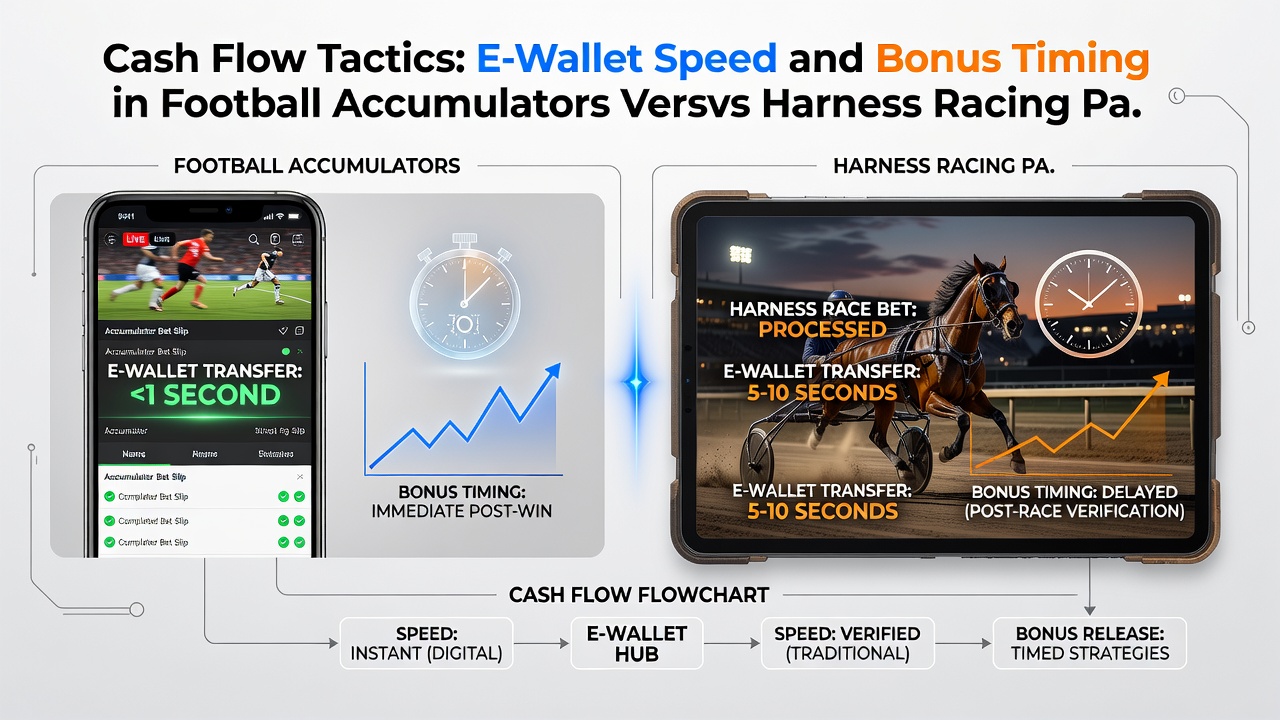
Harness racing distributions follow tote or fixed-odds settlement protocols that release funds at scheduled intervals after each race card concludes. Australian regulatory summaries compiled through 2026 demonstrate that standard bank-linked accounts at harness venues experience average payout lags of three to five hours, while e-wallet withdrawals complete in real time once stewards confirm results. This variance affects how punters allocate capital between evening harness meetings and overlapping football leagues, since delayed racing returns cannot immediately fund accumulator reloads.
Industry reports from the Australian Gambling Research Centre highlight that harness racing operators introduced same-day e-wallet mandates in early 2026, cutting average clearance times from 214 minutes to 47 seconds for verified accounts. Those adjustments aligned payout rhythms more closely with the rapid settlement cycles already common in football accumulator markets.
Cross-Market Comparisons and Liquidity Patterns
Side-by-side analyses of transaction data show football accumulators generate clustered payout events at the end of match days, whereas harness racing produces steadier, race-by-race releases throughout an evening program. E-wallet users exploit both patterns by routing football winnings into harness bets or vice versa, maintaining continuous capital circulation. Studies conducted by Canadian provincial gaming authorities in mid-2026 recorded a seventeen percent increase in cross-product wagering volume when participants relied exclusively on digital wallets for transfers between soccer multis and trotting events.
Platform logs further indicate that bonus timing windows in football often overlap with harness race cards in international time zones, creating opportunities for sequential reinvestment only when e-wallet speeds eliminate friction between the two formats. Traditional payment methods compress those windows and force bettors to choose one market over the other during peak periods.
Conclusion
Transaction speed and bonus synchronization determine capital efficiency when football accumulators and harness racing payouts intersect. E-wallets compress settlement intervals from hours to seconds, preserving eligibility for layered rewards and enabling fluid movement of funds across both disciplines. Regulatory updates and operator system upgrades through July 2026 reinforced these advantages by standardizing instant digital disbursements, resulting in measurable shifts in how participants sequence their betting activity between the two formats.